
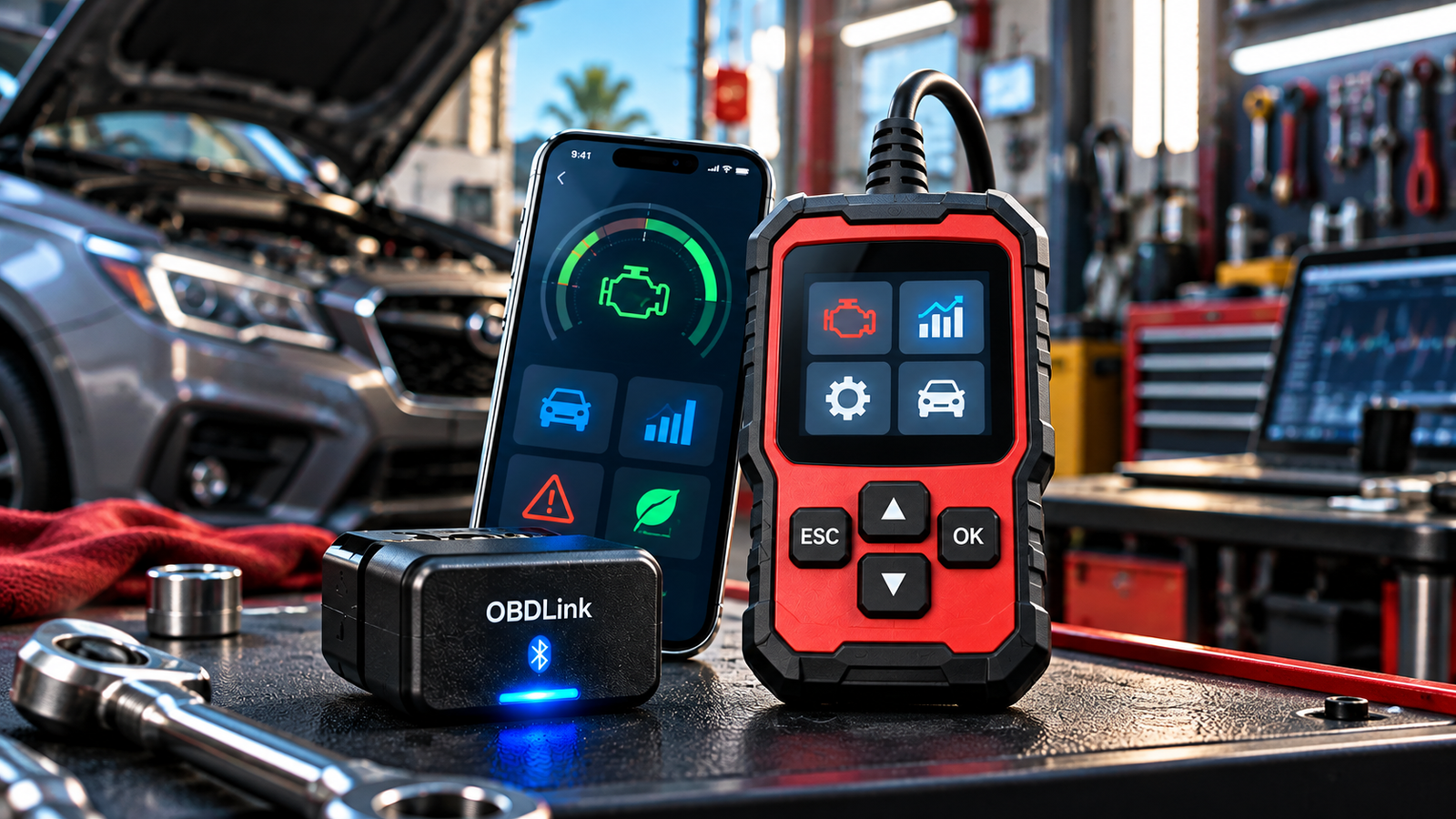
Bluetooth and handheld OBD2 scanners can both help you understand a check-engine light, but they deliver information in very different ways. One uses a smartphone or tablet as the display, while the other gives you a dedicated diagnostic device with its own screen and controls.
Bluetooth vs. Handheld OBD2 Scanner: The Main Difference
The biggest difference is the interface. A Bluetooth scanner plugs into the vehicle’s OBD2 port and communicates wirelessly with a compatible phone or tablet. A handheld scanner connects to the vehicle and includes its own display and controls.
Bluetooth OBD2 Scanner
Uses a smartphone or tablet to display codes, live data, graphs, and other information supported by the adapter, app, and vehicle.
Handheld OBD2 Scanner
Uses a built-in screen and physical controls, providing a self-contained diagnostic tool without requiring your phone.
Bluetooth OBD2 Scanners
Bluetooth adapters are popular because they are small and can take advantage of a smartphone’s larger display, processing power, and app interface. After plugging the adapter into the diagnostic port, you connect it with a compatible app and use the phone to interact with vehicle data.
Advantages of Bluetooth Scanners
- Compact and easy to store
- Familiar smartphone interface
- Convenient for viewing supported live data
- Some apps offer visual gauges and graphs
- No separate handheld display to carry
Potential Drawbacks
- Requires a compatible phone or tablet
- App compatibility and features vary
- Setup may require permissions or pairing
- Vehicle-system access still depends on the adapter, software, and vehicle
Handheld OBD2 Scanners
A handheld scanner is a dedicated diagnostic device. You connect it to the OBD2 port, navigate the built-in menus, and read available diagnostic information directly on the scanner.
Advantages of Handheld Scanners
- No smartphone required
- Usually quick to connect and use
- Physical buttons can be convenient in a garage
- No app installation for basic operation
- Easy to keep as a dedicated vehicle or workshop tool
Potential Drawbacks
- Entry-level models may have smaller screens
- Basic units may show less information at once
- Advanced features depend on the specific scanner
Side-by-Side Comparison
Bluetooth
Display: Phone or tablet
Controls: Touchscreen/app
Portability: Very compact adapter
Live data: Often convenient for visualizing supported parameters
Best fit: Drivers comfortable with apps
Handheld
Display: Built into scanner
Controls: Physical buttons or scanner interface
Portability: Dedicated diagnostic device
Live data: Depends on scanner model
Best fit: Users wanting a self-contained tool
Which Is Easier for a Beginner?
Both formats can be beginner-friendly. A simple handheld scanner can be especially straightforward because there is no app to configure. A Bluetooth scanner can also be easy if you are comfortable with smartphone apps, and the larger phone screen can make diagnostic descriptions and live data easier to view.
Which Is Better for Live Data?
Bluetooth scanners can be attractive for live data because smartphone apps may display supported parameters as gauges, lists, or graphs. However, the format alone does not determine diagnostic capability. Vehicle coverage, scanner hardware, software, and supported protocols all matter.
Which Is Better for Check-Engine Codes?
For basic generic OBD2 engine and emissions codes, either format can work well when the scanner supports the vehicle. If your main goal is reading a check-engine light, a straightforward handheld code reader may be enough. If you want diagnostic information and supported live data on your phone, Bluetooth may be more convenient.
Three OBD2 Options to Compare
The following examples show how the two formats can fit different users.
Disclosure: The product links below are paid affiliate links. As an Amazon Associate I earn from qualifying purchases.
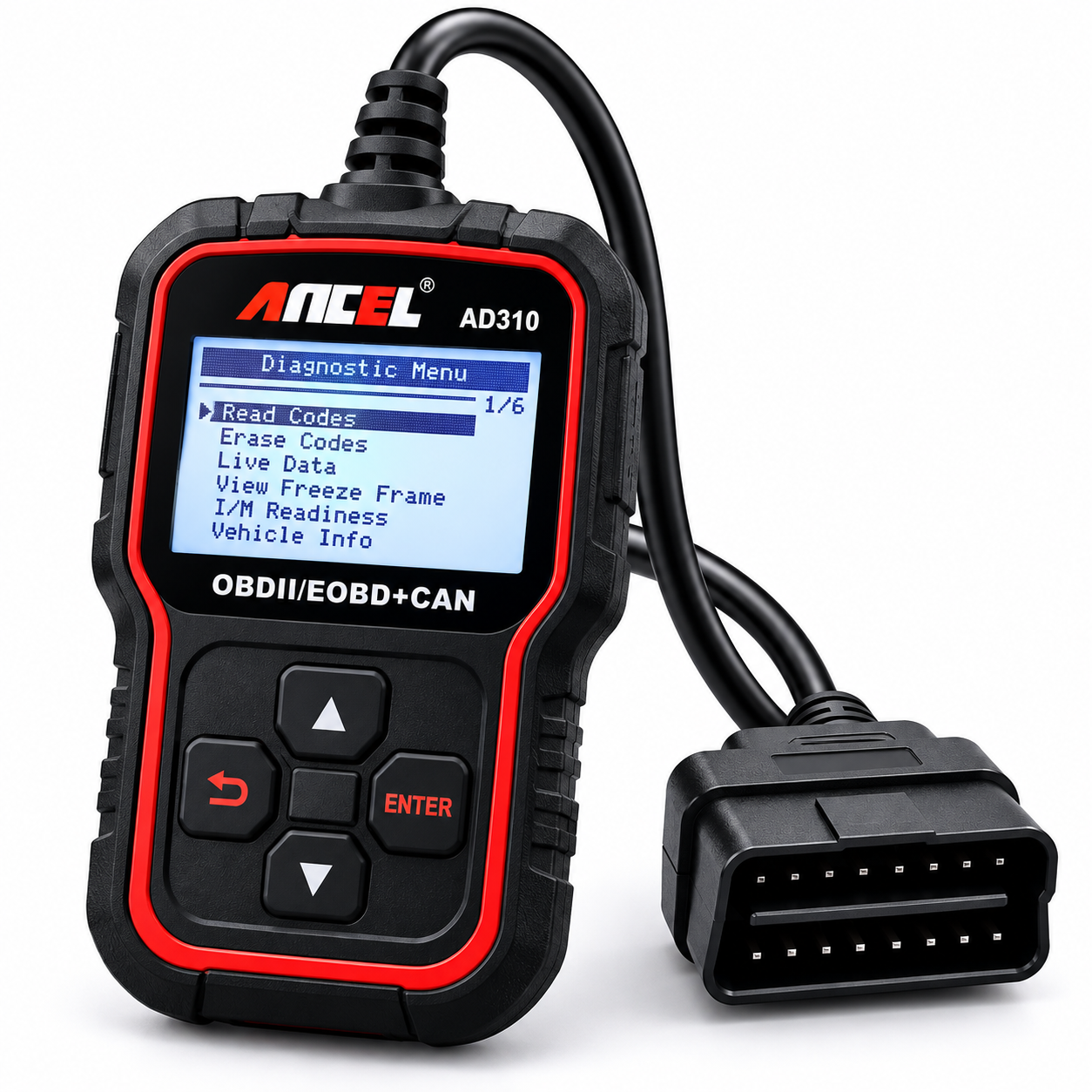
ANCEL AD310
A dedicated handheld code reader for drivers who want basic OBD2 diagnostics without depending on a smartphone.
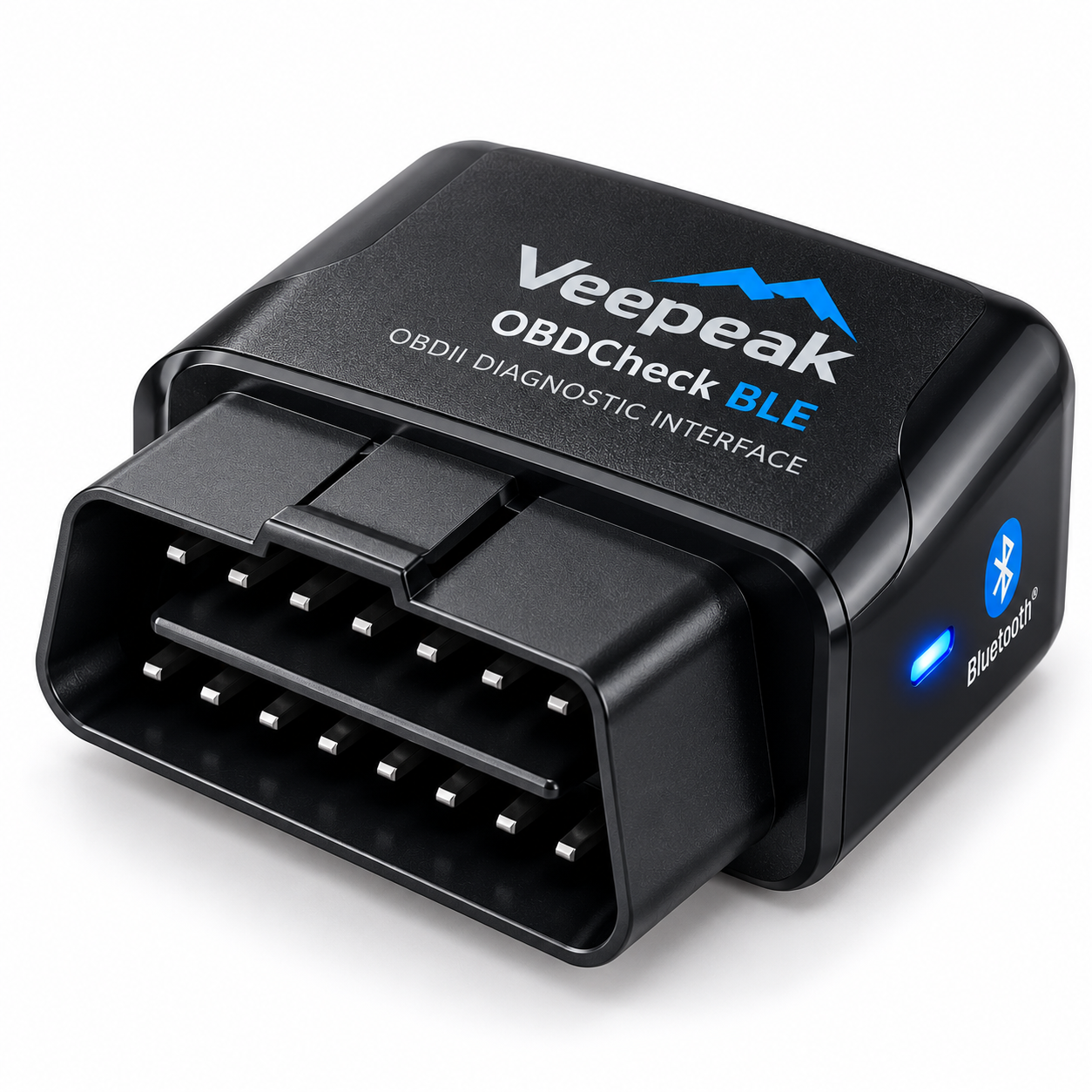
Veepeak OBDCheck BLE
A compact Bluetooth adapter for users who prefer accessing compatible OBD2 information through a smartphone app.
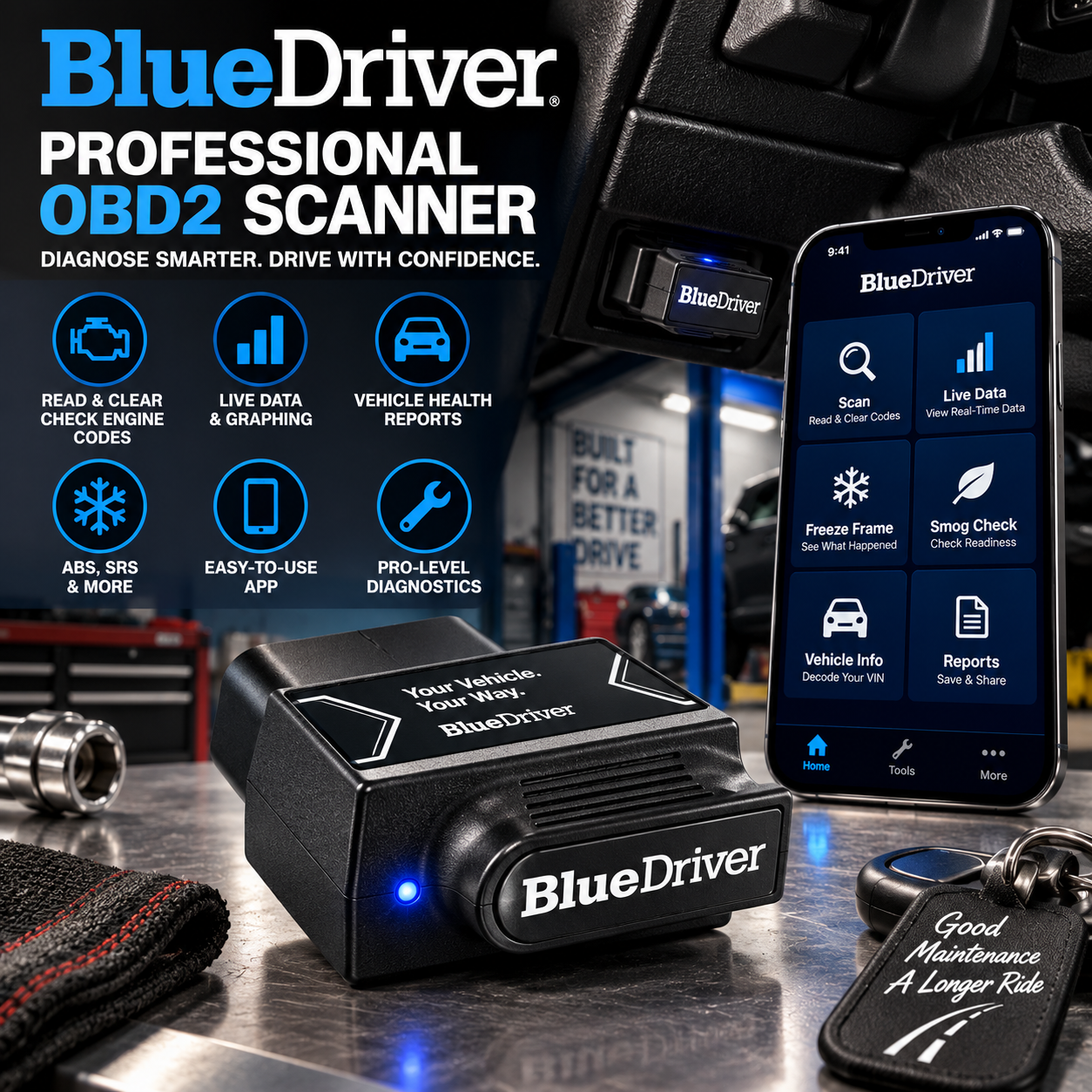
BlueDriver Pro
A phone-based diagnostic option for users who want a more feature-focused app experience and broader supported diagnostic information.
What to Check Before Choosing Either Format
- Vehicle compatibility: Confirm support for your vehicle and needed functions.
- Diagnostic coverage: Decide whether you need generic engine codes or additional systems.
- Live data: Check which parameters the tool can display.
- Phone compatibility: For Bluetooth tools, verify mobile OS and app compatibility.
- Ease of use: Decide whether you prefer physical buttons or a touchscreen app.
Bluetooth or Handheld: Which Format Fits Your Needs?
A Bluetooth scanner makes sense if you already use your phone for automotive information and want a compact adapter with an app-based interface. A handheld scanner makes sense if you prefer a dedicated tool that can stay in the garage or vehicle and operate independently of your phone.
If you’re still deciding which features matter, read How to Choose an OBD2 Scanner. To understand what these tools can actually detect, see What Can an OBD2 Scanner Diagnose?.
See our beginner-focused scanner comparison to explore practical options across handheld and Bluetooth formats.
Continue Learning
Compare tool levels in OBD2 Scanner vs. Diagnostic Tablet: Key Differences, browse more Automotive guides, or use the PickRightGear Gear Advisor.
Affiliate Disclosure: As an Amazon Associate I earn from qualifying purchases.
1 thought on “Bluetooth vs. Handheld OBD2 Scanner”