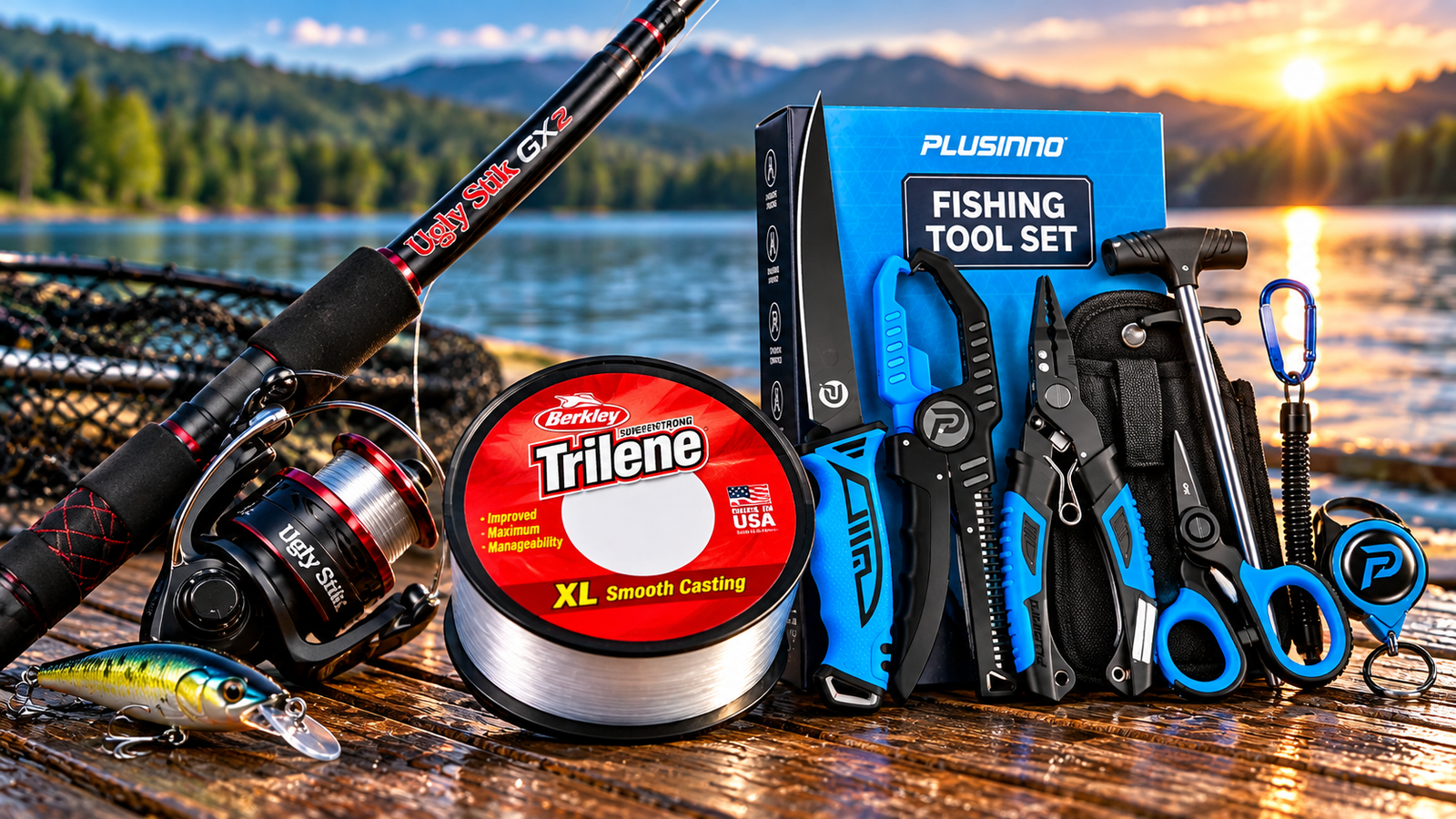
Getting started in fishing does not require filling a garage with specialized equipment. A beginner can build a useful setup with a rod and reel, suitable fishing line, a small selection of terminal tackle and lures, and a few basic tools.
The goal is to choose gear that works together. Your rod, reel, fishing line, hooks, lures, and accessories should match the type of water you plan to fish and the species you are likely to target.
Basic fishing gear for beginners includes a rod and reel, fishing line, hooks, sinkers or weights, bobbers when appropriate, a small selection of lures or bait tackle, fishing pliers or line cutters, and a tackle box or bag. Start with versatile equipment and add specialized gear only after you know what type of fishing you enjoy.
Basic Fishing Gear Checklist
A simple beginner fishing setup can be built around these essentials:
- Fishing rod and reel
- Fishing line
- Hooks
- Sinkers or weights
- Bobbers or floats when appropriate
- Lures or bait tackle
- Fishing pliers and line cutters
- Tackle storage
- Basic safety and personal gear
You do not need every variation of each item. A small selection matched to your intended fishing is usually a better starting point than buying large quantities of tackle you may never use.
Three Useful Starting Points
These products represent three major parts of a beginner setup: a rod-and-reel combination, fishing line, and basic fishing tools.
Disclosure: The product links below are paid affiliate links. As an Amazon Associate I earn from qualifying purchases.
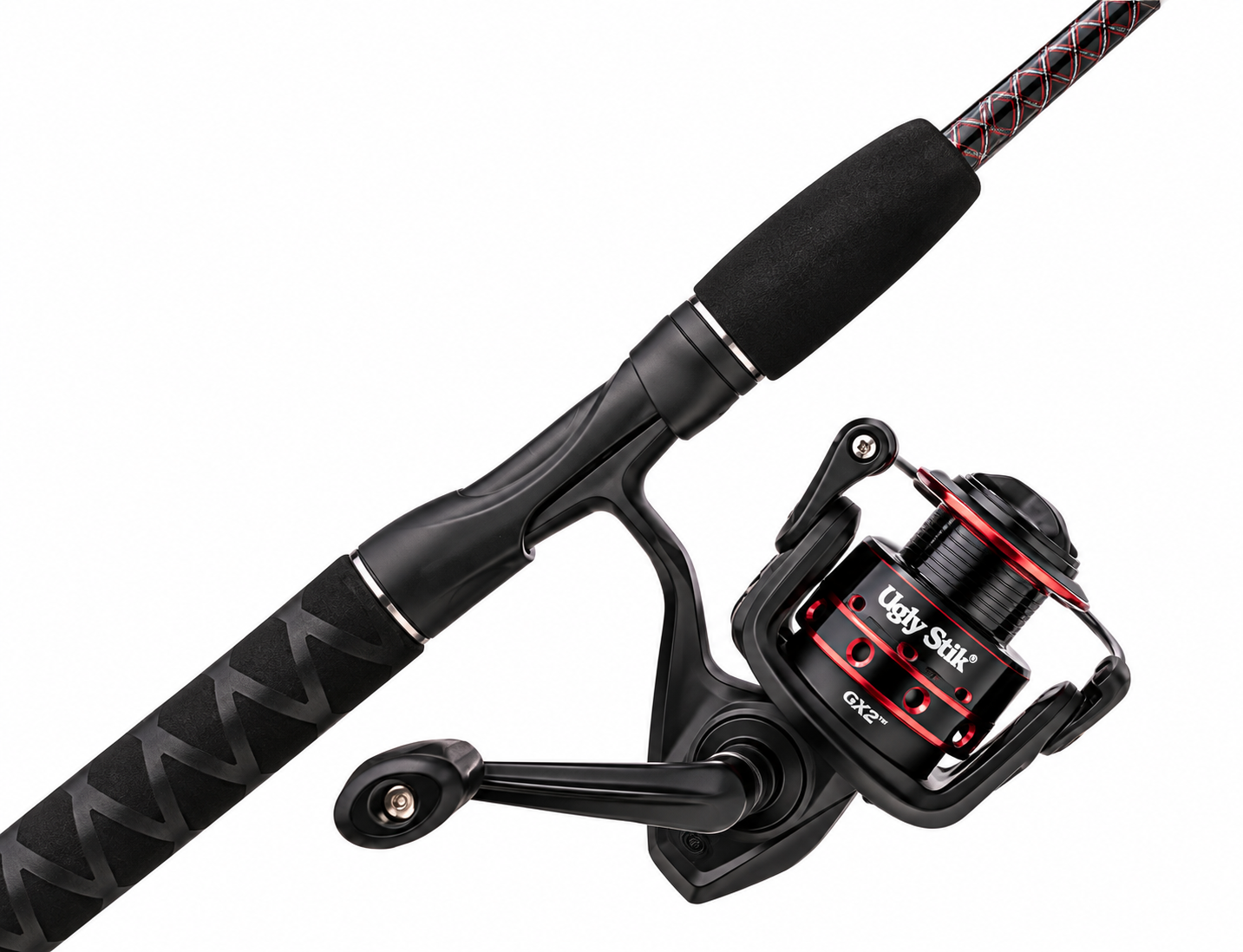
Ugly Stik GX2 Spinning Combo
A rod-and-reel combination that gives beginners a convenient way to start with two major pieces of fishing equipment already paired together.
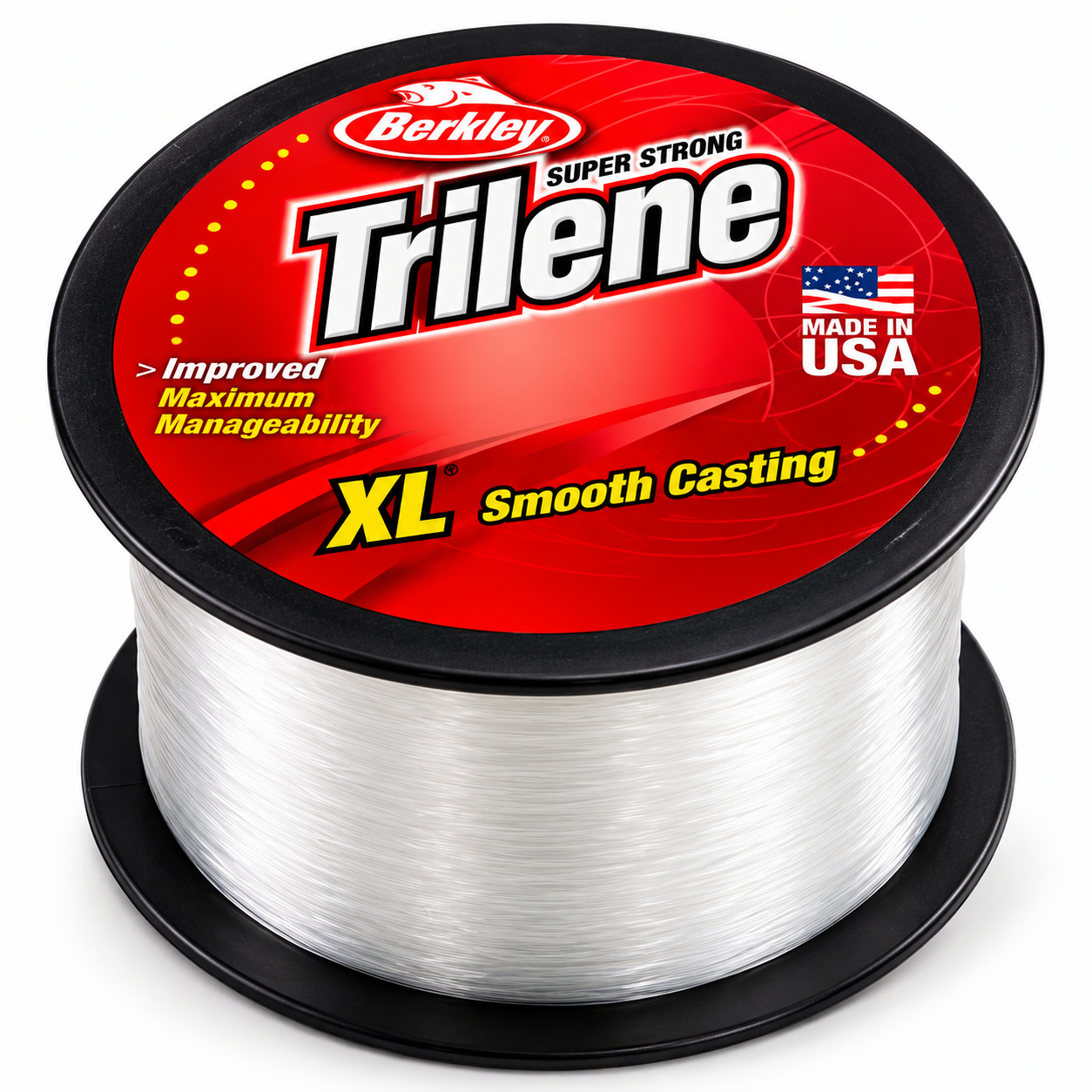
Berkley Trilene XL Monofilament
A monofilament line option for beginners looking for straightforward general-purpose handling and the stretch characteristics of mono.
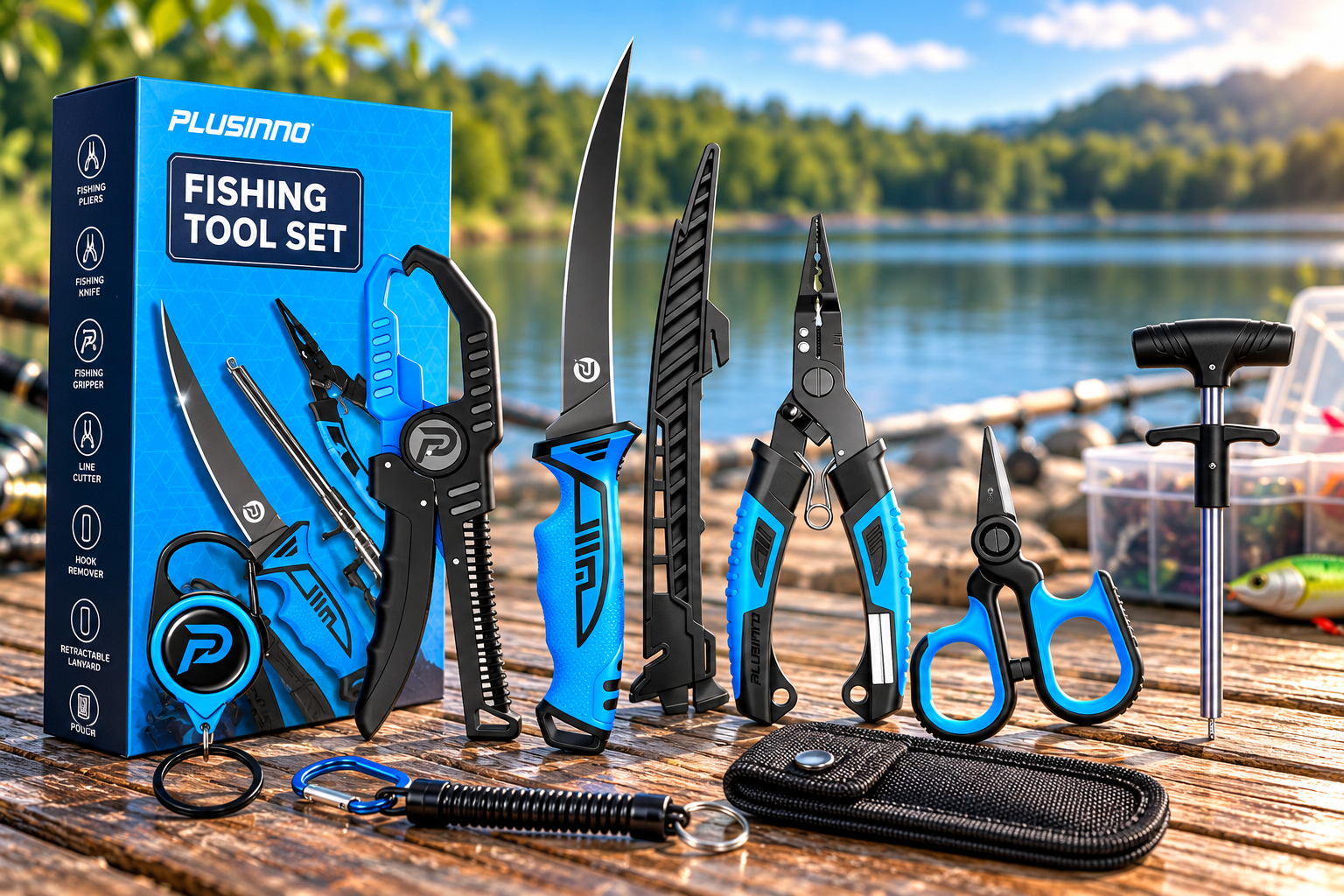
PLUSINNO Fishing Tools Kit
A collection of fishing tools that can help cover common tasks such as handling fish, cutting line, removing hooks, and preparing tackle.
1. Fishing Rod
The fishing rod is the foundation of your setup. Rods differ in length, power, action, construction, and intended use.
For beginners, versatility is usually more useful than choosing highly specialized equipment. A general-purpose spinning rod can handle many common freshwater and light fishing situations when correctly matched with the rest of the tackle.
Rod length affects casting, leverage, and handling. Power describes how much force is required to bend the rod, while action describes where the rod bends most readily.
For a deeper explanation, read our How to Choose a Fishing Rod guide.
2. Fishing Reel
The reel stores fishing line and helps the angler cast, retrieve line, and control fish during the fight.
Spinning reels are a common starting point because their basic operation is relatively straightforward. Spincast reels offer another simple option, while baitcasting reels use a rotating spool and require additional spool control during casting.
The reel should be appropriately sized for the rod, line, lure, and fish you plan to target.
Beginners comparing reel styles can read Spinning Reel vs. Baitcaster and our Best Spinning Reels for Beginners guide.
3. Rod and Reel Combo
A pre-matched rod-and-reel combo can simplify the first purchase because the two primary pieces of equipment are already packaged together.
This does not eliminate the need to choose the correct line, lure, and tackle, but it reduces the number of separate components a beginner must select initially.
Our Best Fishing Rod and Reel Combos for Beginners guide compares several options designed to make that starting point easier.
4. Fishing Line
Fishing line connects the reel to your lure or terminal tackle and ultimately to the fish.
The major line categories beginners encounter include monofilament, braid, and fluorocarbon. They differ in stretch, sensitivity, diameter, visibility, and handling characteristics.
Monofilament can provide a straightforward starting point for general-purpose fishing. Braided line provides very low stretch and high sensitivity with considerable strength relative to its diameter.
Learn more in How to Choose Fishing Line and our Braided Line vs. Monofilament comparison.
5. Fishing Hooks
Hooks are available in many styles and sizes because different baits, lures, techniques, and fish require different hook designs.
A beginner does not need every hook style. Start with hooks appropriate for the bait or technique you intend to use and the approximate size of the fish you expect to catch.
Using a hook that is dramatically too large or too small can make bait presentation and hooking fish more difficult.
6. Sinkers and Weights
Weights help control how fishing tackle behaves in the water.
Depending on the rig, they can help the bait sink, maintain depth, improve casting, or keep a presentation closer to the bottom.
The correct amount of weight depends on water depth, current, wind, lure or bait size, line, and fishing technique.
Use only as much weight as the situation requires rather than automatically choosing the heaviest option available.
7. Bobbers and Floats
Bobbers or floats can help suspend bait at a chosen depth and provide a visible indication when something changes beneath the surface.
They can be particularly useful for beginners learning bait fishing because they make it easier to observe what is happening with the presentation.
Not every technique requires a float, so consider it a useful tool rather than a mandatory component of every fishing setup.
8. Fishing Lures
Artificial lures imitate prey, movement, or other signals that can attract fish.
Common lure categories include soft plastics, jigs, crankbaits, spinner-style lures, spoons, and topwater presentations.
Beginners are usually better served by learning how to fish a small number of versatile lure types instead of purchasing dozens of different designs immediately.
Lure choice should reflect the target species, water depth, cover, water clarity, season, and the type of tackle being used.
9. Natural or Prepared Bait
Fishing with bait is another accessible way to begin.
The appropriate bait depends heavily on the species and local fishing environment. Live, natural, and prepared baits may also be subject to local regulations.
Before collecting, transporting, or fishing with live bait, check the applicable fishing regulations for the location where you plan to fish.
10. Fishing Pliers
Fishing pliers are one of the most useful small tools an angler can carry.
Depending on their design, they may be used for tasks such as removing hooks, gripping components, cutting certain fishing lines, or working with split rings.
A dedicated fishing tool can be more convenient around the water than relying on general household pliers.
11. Line Cutters or Scissors
Fishing line needs to be trimmed when tying knots, changing lures, replacing leaders, or rebuilding rigs.
A clean cutting tool makes these tasks easier. The appropriate cutter depends partly on the line being used because braided line can behave differently from monofilament when cut.
Keep the cutting surface in good condition so it produces clean cuts rather than fraying or crushing the line.
12. Hook Removal Tool
A hook-removal tool or suitable fishing pliers can help anglers remove hooks while keeping their hands farther from sharp hook points and the fish’s mouth.
The correct method depends on the fish, hook position, and whether the fish will be released.
When practicing catch and release, efficient handling can help reduce unnecessary time that the fish remains out of the water.
13. Fish Gripper
A fish gripper can assist with controlling certain fish during handling, but it should be used appropriately for the species and situation.
It is not a substitute for understanding safe fish handling. Some fish require different handling techniques because of their size, teeth, spines, body structure, or conservation considerations.
14. Tackle Box or Tackle Bag
A tackle box or bag keeps hooks, weights, lures, leaders, tools, and other small items organized.
Beginners do not necessarily need a large storage system. A compact organizer with separate compartments can be enough for a basic selection of tackle.
As your equipment grows, you can move to a larger tackle bag or modular storage system based on the type of fishing you actually do.
15. Leader Material
A leader is a separate section of line between the main fishing line and lure or terminal tackle.
Leaders can provide different visibility, abrasion, stretch, or handling characteristics from the main line.
They are particularly common when braided line is used as the main line, although not every fishing technique requires one.
16. Swivels and Snaps
Swivels and snaps can simplify certain tackle connections and help with specific rigging needs.
A swivel may help manage line twist in appropriate applications, while a snap can make changing some lures faster.
They should not automatically be added to every rig. Extra hardware can affect lure presentation, so use it when the fishing technique benefits from it.
17. Landing Net
A landing net can make it easier to control a fish near shore or the boat, especially when lifting the fish directly by the line would place unnecessary stress on the tackle.
Net size and design should match the species you are targeting.
If catch and release is important, consider how the net material and handling method interact with the fish.
18. Basic Safety Gear
Fishing equipment is not limited to rods and tackle. Personal safety equipment can be just as important.
Depending on where you fish, useful items may include:
- Personal flotation device when boating or where appropriate
- Sun protection
- Drinking water
- Basic first-aid supplies
- Weather-appropriate clothing
- Footwear suitable for the terrain
- Lighting when fishing near low-light conditions
Safety needs vary substantially between a neighborhood pond, rocky shoreline, offshore boat, river, pier, and remote fishing location.
What Fishing Gear Does a Beginner Actually Need?
For a simple first outing, concentrate on equipment that directly helps you cast, present a bait or lure, land a fish, and safely manage your tackle.
A practical starter setup could include:
- One versatile rod and reel
- One appropriate fishing line
- A small selection of hooks and weights
- A few lures or suitable bait tackle
- Fishing pliers or a multi-tool kit
- A compact tackle organizer
- Necessary personal safety equipment
Everything else can be added as your fishing style develops.
Freshwater vs. Saltwater Beginner Gear
The basic categories of fishing equipment remain similar, but the actual gear requirements can change significantly between freshwater and saltwater.
Saltwater environments can expose equipment to corrosive conditions, and target species may require different rods, reels, line, hooks, leaders, and terminal tackle.
Choose equipment designed for the environment where it will be used and follow manufacturer recommendations for cleaning and maintenance after exposure to saltwater.
How Much Fishing Gear Should a Beginner Buy?
Start small.
One of the easiest mistakes to make is buying a large amount of tackle before knowing which techniques you enjoy or which species are available where you fish.
A compact, versatile setup gives you time to learn what works. Once you gain experience, your future purchases can solve specific problems instead of simply adding more equipment.
Common Beginner Fishing Gear Mistakes
- Buying specialized equipment before learning basic techniques.
- Choosing a rod, reel, and line that do not match each other.
- Buying too many lures instead of learning a few versatile ones.
- Ignoring fishing regulations.
- Forgetting basic tools for cutting line and removing hooks.
- Using tackle that is much heavier than the target species requires.
- Ignoring weather and personal safety equipment.
- Failing to rinse or maintain equipment after appropriate saltwater use.
Beginner Fishing Gear Setup
A straightforward way to assemble your first setup is to work outward from the rod and reel.
- Choose the type of fishing you want to try.
- Select a versatile rod and compatible reel or a pre-matched combo.
- Choose fishing line within the practical range of the rod and reel.
- Select hooks, weights, and lures appropriate for the target species.
- Add pliers, line cutters, and hook-removal tools.
- Organize the tackle in a small box or bag.
- Add the personal and safety gear appropriate for the fishing location.
This approach keeps the equipment focused on what you actually need to start fishing.
Frequently Asked Questions
What fishing gear should a beginner buy first?
Start with a rod and reel, appropriate fishing line, basic hooks and terminal tackle, a small selection of bait or lures, fishing pliers or cutters, and simple tackle storage.
Is a rod and reel combo good for beginners?
A combo can simplify the buying process because the rod and reel are already paired. You still need to choose compatible fishing line and tackle for the intended fishing application.
What type of reel is easiest for beginners?
Spincast reels are designed around very simple operation, while spinning reels are also beginner friendly and provide broad versatility as anglers develop their skills.
What fishing line should a beginner use?
Monofilament is a practical starting point for many beginners because of its straightforward handling and stretch. Braid can also be appropriate when low stretch, sensitivity, or smaller diameter are priorities.
How many fishing lures does a beginner need?
There is no required number. A small selection appropriate for the target species and fishing conditions is generally more useful than buying many lures without understanding when to use them.
Do beginners need fishing pliers?
They are highly useful for common tasks such as handling hooks and working with tackle. The exact functions depend on the design of the pliers or tool kit.
Do I need a tackle box?
You need some way to safely organize small hooks, weights, lures, and other tackle. That can be a traditional tackle box, compact organizer, or tackle bag.
Final Thoughts
Basic fishing gear for beginners does not need to be complicated. A versatile rod and reel, correctly matched fishing line, a small amount of terminal tackle, a few lures or bait options, and essential fishing tools are enough to begin learning.
The Ugly Stik GX2 combo represents a convenient rod-and-reel starting point, Berkley Trilene XL provides a monofilament line option, and the PLUSINNO Fishing Tools Kit covers several common tasks anglers encounter around the water.
As you gain experience, let the type of fishing you actually enjoy determine which equipment you add next.
Start Building Your Fishing Kit
These three products cover different parts of a beginner fishing setup and provide a useful starting point for comparing your options.
Disclosure: The product links below are paid affiliate links. As an Amazon Associate I earn from qualifying purchases.
Ugly Stik GX2 Spinning Combo
A convenient rod-and-reel starting point for beginners assembling their first fishing setup.
Berkley Trilene XL Monofilament
A general-purpose monofilament option for adding fishing line to a compatible beginner setup.
PLUSINNO Fishing Tools Kit
A collection of useful tools for common fishing tasks including line, hooks, tackle, and fish handling.
Start with our Best Fishing Rod and Reel Combos for Beginners, learn How to Choose Fishing Line, or use the PickRightGear Gear Advisor to narrow down the gear that fits your fishing needs.
Continue Learning
Explore Best Fishing Rod and Reel Combos for Beginners, learn How to Choose a Fishing Rod, read How to Choose Fishing Line, compare Braided Line vs. Monofilament, browse more Fishing guides, or use the PickRightGear Gear Advisor.
Affiliate Disclosure: As an Amazon Associate I earn from qualifying purchases.