
Fishing line is one of the most important connections in your entire fishing setup. It links the reel to the lure and ultimately to the fish, so choosing the correct line can affect casting, sensitivity, lure presentation, hooksets, and how effectively you can fight a fish.
For beginners, the number of line types, strengths, diameters, colors, and spool sizes can make the decision seem more complicated than it needs to be. The easiest approach is to start with the type of fishing you plan to do and then match the line to your rod, reel, lure, and target species.
To choose fishing line, first determine whether monofilament, braid, or fluorocarbon best fits your fishing technique. Then choose a line strength and diameter compatible with your rod and reel, while considering target species, lure weight, water conditions, cover, visibility, stretch, and sensitivity.
Start With the Type of Fishing You Plan to Do
Before comparing line specifications, think about where and how you will fish.
An angler casting small lures in open freshwater does not necessarily need the same line as someone fishing around heavy vegetation, rocks, docks, or larger saltwater species.
Your fishing environment helps determine how much strength, sensitivity, stretch, abrasion resistance, and line capacity you may need.
The Main Types of Fishing Line
Most beginners will encounter three major categories of fishing line: monofilament, braided line, and fluorocarbon.
Each behaves differently, and none is automatically the correct choice for every fishing situation.
Monofilament Fishing Line
Monofilament is made from a single strand of material and is one of the most familiar fishing-line choices.
It has noticeable stretch, is available in many strengths and colors, and works well across a broad range of general-purpose fishing applications.
The additional stretch can provide a cushioning effect when a fish pulls suddenly or when the tackle experiences a rapid change in tension.
Braided Fishing Line
Braided line is constructed from multiple synthetic fibers woven together.
It has very little stretch and provides a direct connection between the angler and the lure. This can increase sensitivity and make changes in lure movement easier to detect.
Braid also provides considerable strength at a relatively small diameter, making it useful for many techniques where strength, sensitivity, or line capacity are priorities.
Fluorocarbon Fishing Line
Fluorocarbon is another common fishing-line material and is frequently used as either main line or leader material depending on the fishing application.
Its handling characteristics differ from both braid and traditional monofilament. Anglers often consider fluorocarbon when visibility, abrasion characteristics, lure presentation, or leader performance are important.
Always choose a fluorocarbon product designed for the intended application rather than assuming every fluorocarbon line should be used the same way.
Two Fishing Line Examples
These two products provide practical examples of braided and monofilament fishing line.
Disclosure: The product links below are paid affiliate links. As an Amazon Associate I earn from qualifying purchases.
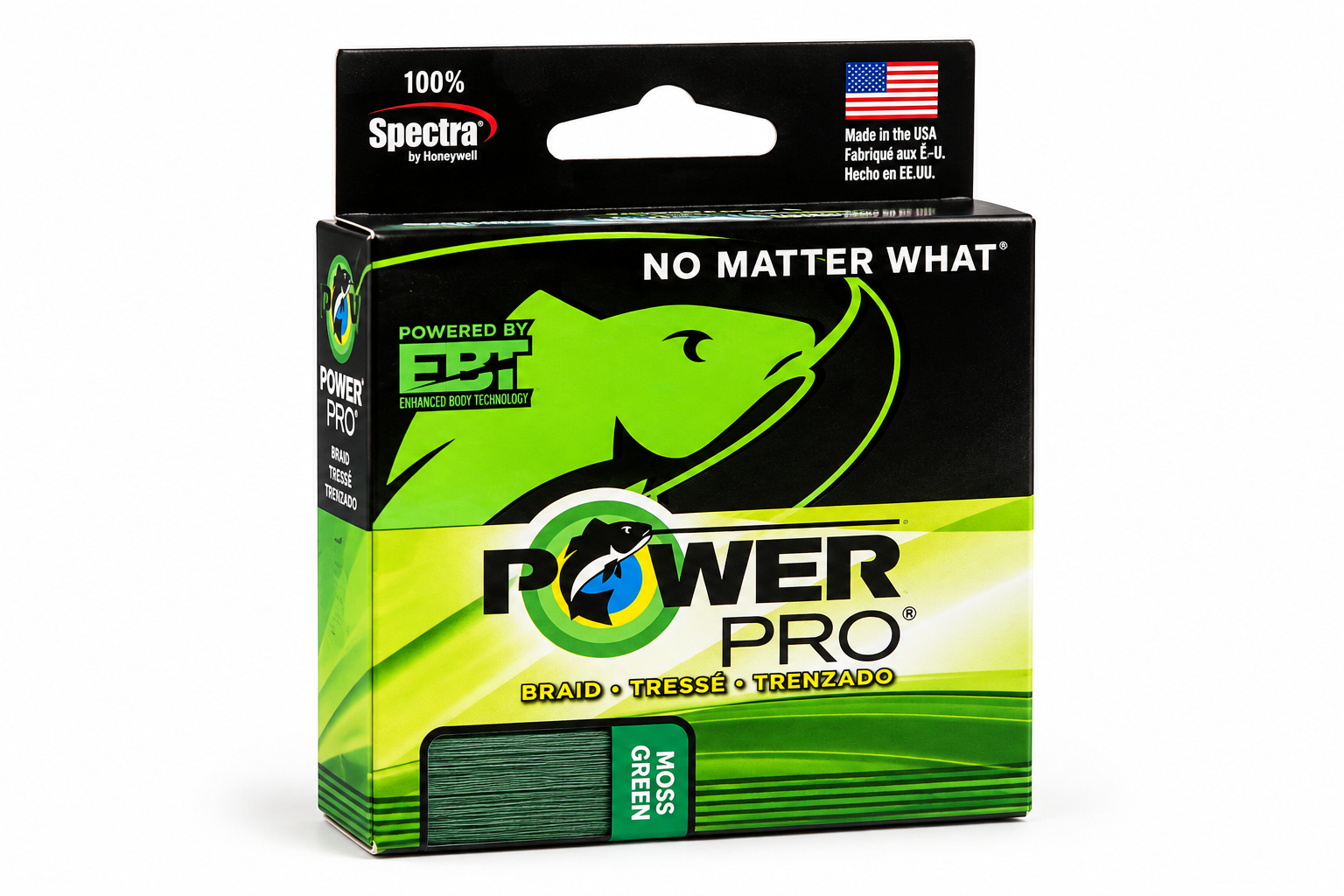
Power Pro Spectra Fiber Braided Line
A braided fishing line option for anglers who want low stretch, high sensitivity, and strong line with a relatively thin diameter.
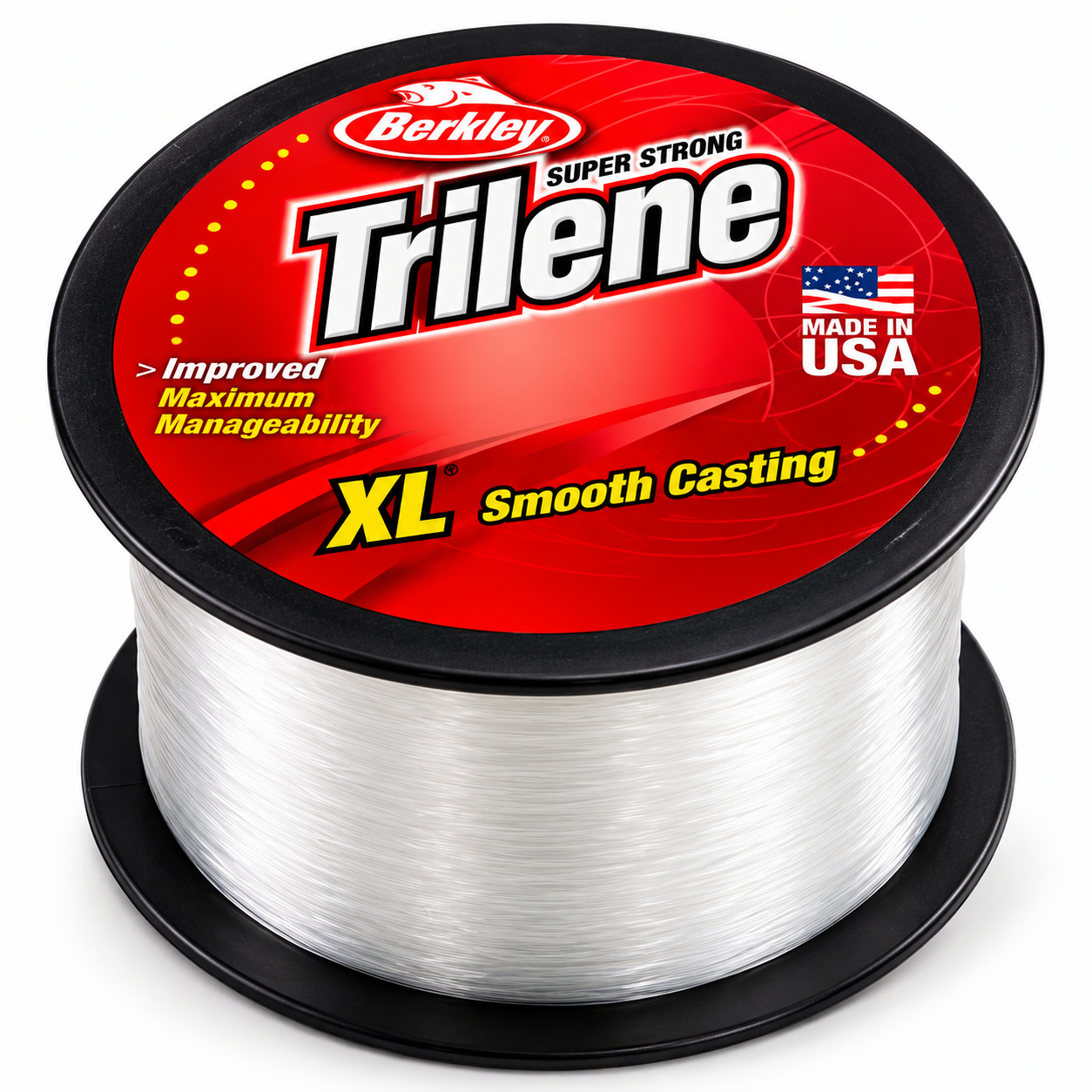
Berkley Trilene XL Monofilament
A traditional monofilament option for anglers looking for manageable general-purpose line with the stretch characteristics associated with mono.
1. Choose the Right Line Strength
Fishing-line strength is commonly expressed as pound-test. This gives anglers a way to compare the strength category of different lines.
The correct strength depends on the target species, fishing environment, lure, rod, reel, and technique.
Using much heavier line than necessary can affect casting and lure presentation, while line that is too light may not provide enough margin for the fish or cover you are fishing around.
2. Check Your Rod’s Line Rating
Fishing rods commonly display a recommended line range near the blank or handle.
This information provides a useful starting point when selecting line because the rod was designed to operate within a particular range of tackle.
Rather than selecting line independently, treat the rod, reel, line, and lure as parts of the same system.
3. Check Your Reel’s Line Capacity
Your reel also provides important information about fishing-line selection.
Manufacturers typically list how much line the spool can hold at different diameters or strengths. The exact format varies between reel manufacturers and models.
Do not assume that two lines with the same pound-test have the same diameter. Braid, monofilament, and fluorocarbon can have significantly different diameters.
4. Consider Line Diameter
Diameter affects more than how much line fits on a spool.
It can influence casting characteristics, water resistance, lure behavior, visibility, knot size, and how the line interacts with the reel.
Braided line generally provides greater strength at a smaller diameter than monofilament, but the exact diameter varies by product.
Always compare the manufacturer’s specifications when precise line capacity is important.
5. Decide How Much Stretch You Want
Stretch is one of the major differences between fishing-line types.
Monofilament has considerably more stretch than braided line. This can provide shock absorption when a fish makes a sudden movement or the tackle experiences rapid tension.
Braid has very little stretch, providing a more direct connection to the lure.
The correct amount of stretch depends on your technique, rod action, hook type, drag setting, and the species being targeted.
6. Think About Sensitivity
If detecting subtle lure movement or light bites is important, line sensitivity may influence your choice.
Braid’s low-stretch construction generally transmits changes at the lure more directly through the line.
Monofilament’s additional stretch reduces some of that direct feedback but provides a more forgiving connection in many situations.
7. Consider the Cover You Are Fishing
Fishing around vegetation, wood, rocks, docks, shell, and other structure creates different demands on fishing line.
Braid is commonly used in heavy vegetation because its strength and low stretch can provide direct control.
Sharp or abrasive structure requires anglers to pay particular attention to line condition. Abrasion performance depends on line material, diameter, construction, and the surface contacting the line.
Inspect the final section of line frequently when fishing around cover.
8. Consider Water Clarity and Line Visibility
Fishing line is available in many colors, including clear, green, high-visibility yellow, and other specialized options.
Line visibility depends on diameter, color, water clarity, lighting, depth, and viewing angle.
Some anglers intentionally choose highly visible line so they can watch the line for movement. Others prefer a lower-visibility connection near the lure.
One common setup combines braided main line with a separate monofilament or fluorocarbon leader.
9. Match the Line to Your Lure
Lure size and weight can also influence fishing-line selection.
Small lightweight presentations are generally easier to cast and control with tackle appropriately sized for them, while heavier lures and stronger tackle may require a different line configuration.
Check the lure rating of the rod and make sure the line, reel, and lure work together rather than selecting each component separately.
10. Choose Line for Your Target Species
The size and behavior of the fish you expect to catch should influence line selection.
Small freshwater species in open water generally place different demands on fishing line than larger fish around heavy structure or strong saltwater species.
However, simply choosing the heaviest line available is not always the best solution. Line should remain appropriate for the rod, reel, lure, and fishing technique.
Fishing Line for Spinning Reels
Spinning reels can use monofilament, braid, and other compatible fishing lines when properly matched and installed.
Monofilament provides a straightforward starting point for beginners learning basic line management.
Braid can provide increased sensitivity and strong line at a smaller diameter, making it useful for many spinning applications.
If you are still choosing a reel, see our Best Spinning Reels for Beginners guide.
Fishing Line for Baitcasting Reels
Baitcasting reels can also use different fishing-line types.
Because the spool rotates during the cast, line diameter, spool fill, lure weight, braking adjustment, and casting technique all influence how the reel behaves.
The correct line depends on the technique and reel specifications rather than simply whether the reel is a baitcaster.
See our Spinning Reel vs. Baitcaster comparison for more information about the two reel styles.
Braided Line vs. Monofilament
For many beginners, the first major fishing-line decision is whether to use braid or monofilament.
- Braid: Very low stretch, high sensitivity, and relatively thin diameter for its strength.
- Monofilament: More stretch, straightforward handling, and useful across many general-purpose fishing situations.
Neither is universally better. They simply provide different characteristics.
For a detailed comparison, read our Braided Line vs. Monofilament guide.
Should Beginners Start With Monofilament?
Monofilament is a sensible starting point for many beginners because it is straightforward to handle and works well with many common knots and fishing techniques.
Its additional stretch can also make the complete setup somewhat more forgiving while the angler develops casting and fish-fighting skills.
However, beginners do not need to avoid braid. If the intended technique benefits from sensitivity, low stretch, or a smaller line diameter, braid may be appropriate from the beginning.
When Does Braided Line Make Sense?
Braid can make sense when an angler wants a direct connection to the lure, increased sensitivity, strong line at a relatively small diameter, or better control around certain types of heavy vegetation.
It is also commonly used as a main line with a separate leader.
Because braid has very little stretch, drag settings and the characteristics of the rod become especially important parts of the complete setup.
When Does Monofilament Make Sense?
Monofilament works well for many general-purpose fishing situations and is useful when additional stretch is desirable.
It can also provide a simple setup for anglers who do not want to add a separate leader or learn additional line-to-line knots immediately.
Its broad availability in different strengths and colors makes it easy to match with many common freshwater and saltwater applications.
Do You Need a Leader?
A separate leader is optional in many fishing setups.
Anglers using braided main line frequently add a monofilament or fluorocarbon leader to change the characteristics of the final section of line near the lure.
A leader may provide different visibility, abrasion, stretch, or presentation characteristics.
Whether you need one depends on the fishing situation rather than simply the type of reel being used.
How Much Fishing Line Do You Need?
The amount of line required depends on the reel’s spool capacity and intended fishing application.
Use the reel manufacturer’s capacity markings or specifications as your primary guide.
Some setups also use backing underneath the main fishing line, particularly when the main line does not need to fill the entire spool by itself.
Avoid dramatically overfilling or underfilling the spool because either condition can affect line management and casting.
How Often Should You Replace Fishing Line?
There is no single replacement interval that applies to every fishing line.
Frequency of use, sunlight, heat, storage, abrasion, knots, saltwater exposure, and physical damage can all affect line condition.
Inspect the line regularly and replace it when you notice significant wear, fraying, cuts, weak spots, excessive memory, or other deterioration.
Common Fishing Line Mistakes
- Choosing line based only on pound-test.
- Ignoring actual line diameter.
- Using line outside the rod or reel’s practical range.
- Overfilling the reel spool.
- Failing to inspect line after fishing around abrasive structure.
- Using knots that are not appropriate for the line type.
- Choosing heavy line when the lure and tackle are designed for much lighter equipment.
- Assuming one line type is best for every fishing situation.
Simple Fishing Line Checklist
Before buying fishing line, ask yourself:
- What type of water will I fish?
- What species am I targeting?
- What rod am I using?
- What reel am I using?
- What line capacity does the reel specify?
- What lure weights will I cast?
- Am I fishing open water or heavy cover?
- Do I want more stretch or more sensitivity?
- Do I plan to use a leader?
- What line diameter fits the complete setup?
Frequently Asked Questions
What fishing line is easiest for beginners?
Monofilament is a practical starting point for many beginners because it is straightforward to handle, has useful stretch, and works with many common fishing knots and techniques.
What pound fishing line should I use?
The correct line strength depends on your rod, reel, lure, target species, fishing environment, and technique. Check the rod’s line rating and the reel’s line-capacity specifications before selecting a strength.
Is braid better than monofilament?
Neither is universally better. Braid provides low stretch, high sensitivity, and relatively small diameter, while monofilament provides more stretch and straightforward general-purpose handling.
Can I use braided line on a spinning reel?
Yes. Braid is commonly used on spinning reels when correctly matched to the reel and properly installed.
Can I use monofilament on a baitcaster?
Yes. Monofilament can be used on baitcasting reels when the line diameter and strength are appropriate for the reel and fishing application.
Does fishing line color matter?
Color can influence how visible the line is to the angler and potentially how visible it is in different water and lighting conditions. The importance of line color depends on the technique, water clarity, depth, and whether a separate leader is being used.
Should fishing line match the rod or the reel?
It should be compatible with both. The rod provides a recommended line range while the reel provides capacity information. The best setup keeps the rod, reel, line, and lure within compatible ranges.
Final Thoughts
Learning how to choose fishing line becomes much easier when you stop looking for one line that can do everything.
Start with the type of fishing you plan to do. Then compare line material, strength, diameter, stretch, sensitivity, visibility, reel capacity, rod rating, lure weight, cover, and target species.
Monofilament provides a straightforward and forgiving starting point for many anglers, while braid offers low stretch, sensitivity, and considerable strength at a relatively small diameter.
As you gain experience, you may find that keeping more than one type of line available makes it easier to adapt your setup to different fishing conditions.
Compare Fishing Line Options
These two examples represent the braid and monofilament categories discussed throughout this guide.
Disclosure: The product links below are paid affiliate links. As an Amazon Associate I earn from qualifying purchases.
Power Pro Spectra Fiber Braided Line
A braided option for anglers looking for low stretch, sensitivity, and strong line with a relatively thin diameter.
Berkley Trilene XL Monofilament
A monofilament option for anglers who want manageable general-purpose line with the stretch characteristics of mono.
Compare Braided Line vs. Monofilament, explore our Best Spinning Reels for Beginners, or use the PickRightGear Gear Advisor to narrow down the gear that fits your fishing needs.
Continue Learning
Compare Braided Line vs. Monofilament, learn How to Choose a Fishing Rod, compare Spinning Reel vs. Baitcaster, explore our Best Spinning Reels for Beginners, or browse more Fishing guides.
Affiliate Disclosure: As an Amazon Associate I earn from qualifying purchases.