

Choosing between a gas generator and a dual-fuel generator can make a meaningful difference in how flexible your backup power setup is. Both designs can provide dependable portable power, but they differ in fuel options, convenience, storage considerations and typical use cases.
This guide explains the practical differences between gas and dual-fuel generators so you can decide which type better matches your home backup, jobsite, RV or emergency-power needs.
Gas vs. Dual-Fuel Generators: What’s the Difference?
The main difference is the number of fuel types the generator can use. A traditional gas generator is designed to operate on gasoline, while a dual-fuel generator can typically run on either gasoline or propane.
That additional fuel option does not automatically make one generator better than another. The right choice depends on how you plan to use the generator, how often it will run and what type of fuel you prefer to store.
Two Generator Types to Compare
These two portable generators illustrate the basic difference between a dedicated gasoline generator and a dual-fuel design.
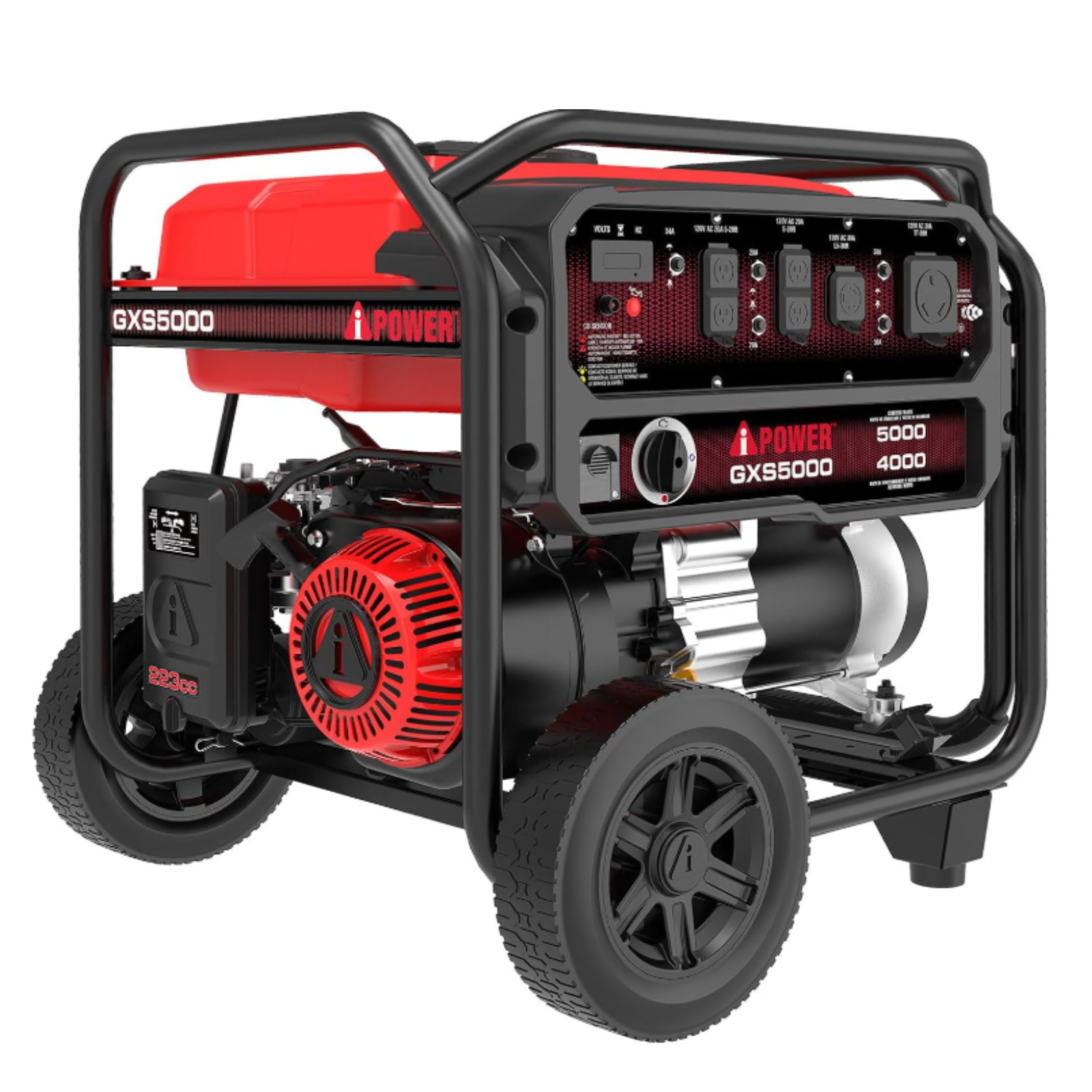
A-iPower 5000-Watt Portable Generator
A gasoline-powered portable generator designed for applications such as home backup, jobsites, RV use and emergency power. Its dedicated gas configuration keeps fuel operation straightforward for users who primarily rely on gasoline.
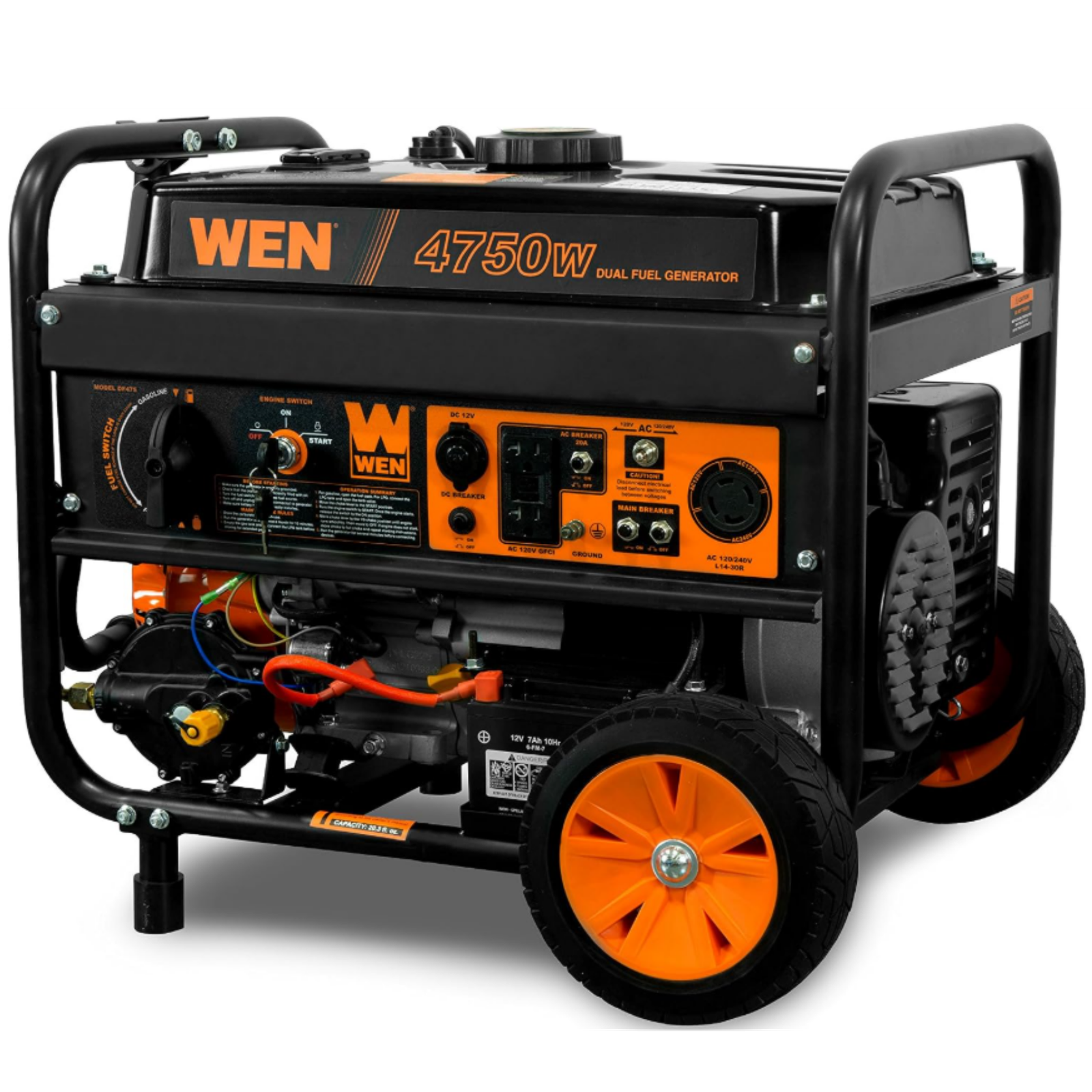
WEN 4,750-Watt Dual Fuel Portable Generator
A dual-fuel portable generator that gives users the flexibility to operate with gasoline or propane. This makes it useful when having more than one fuel source available is an important part of the backup-power plan.
As an Amazon Associate, PickRightGear may earn from qualifying purchases.
Why Choose a Gas Generator?
Gas-powered generators are common because gasoline is widely available and the generators themselves are familiar to many homeowners, contractors and outdoor users.
If you already store gasoline for lawn equipment, vehicles or other small engines, a gas generator can fit naturally into your existing routine.
Advantages of Gas Generators
- Simple single-fuel operation.
- Gasoline is widely available under normal conditions.
- Many generator sizes and configurations are available.
- Good fit for jobsites, home backup and recreational use.
- Easy choice for users already accustomed to gasoline-powered equipment.
Things to Consider
Gasoline requires appropriate storage and should not simply be left sitting indefinitely. During widespread power outages, local gas stations can also become crowded or may be unable to pump fuel if they lose electricity.
For occasional emergency use, fuel management is therefore an important part of owning a gasoline generator.
Why Choose a Dual-Fuel Generator?
A dual-fuel generator adds another layer of flexibility because it can operate using two different fuel sources. Most models in this category are designed for gasoline and propane.
Instead of depending entirely on one fuel, you can choose whichever option makes more sense at the time.
Advantages of Dual-Fuel Generators
- Ability to use gasoline or propane.
- Greater flexibility during extended outages.
- Allows you to maintain more than one backup fuel source.
- Propane can be convenient for long-term fuel storage.
- Useful for emergency-preparedness setups.
Things to Consider
Dual-fuel capability adds versatility, but it also means you should understand how the generator performs with each fuel type. Available output can vary depending on whether the generator is operating on gasoline or propane.
Always check the manufacturer’s specifications for the particular model and fuel you intend to use.
Gasoline vs. Propane Storage
Fuel storage is one of the biggest practical differences to consider when comparing these generator types.
Gasoline
Gasoline is easy to purchase and works well when the generator will be used regularly. However, stored gasoline requires more attention over time. Containers should be approved for fuel storage and kept in a suitable location away from ignition sources.
Propane
Propane is stored in sealed cylinders and is often attractive for emergency preparedness because it can be stored for extended periods when cylinders and valves are maintained correctly.
A dual-fuel generator lets you keep propane available for backup while still having the option to use gasoline.
Which Is Better for Home Backup?
Both types can work well for home backup. The better choice depends on the appliances you need to power and your fuel strategy.
If gasoline is readily available and you expect relatively short periods of generator use, a gas-only model may provide everything you need.
If you are preparing for longer outages or want multiple fuel options available, a dual-fuel generator can provide additional flexibility.
Which Is Better for Jobsites?
For many jobsites, a conventional gas generator remains a practical solution. Gasoline is familiar, portable and easy to replenish during normal working conditions.
The more important factor is usually whether the generator provides enough running and starting wattage for the tools being used.
Dual-fuel capability can still be useful, but it may not be necessary if gasoline is consistently available at the jobsite.
Which Is Better for Emergency Preparedness?
Dual-fuel generators have a clear practical advantage when fuel flexibility is a priority. During a major outage, the ability to switch between gasoline and propane can reduce dependence on a single fuel supply.
That does not mean a gas-only generator is a poor emergency option. A properly sized gas generator with a sensible fuel-storage plan can provide reliable backup power.
The key is planning your fuel supply before an outage occurs.
Don’t Choose Based on Fuel Type Alone
Fuel flexibility matters, but it should not replace the basic generator-sizing process.
Before buying either type, determine the electrical loads you expect the generator to support. Consider both running watts and the temporary starting watts required by appliances or equipment with motors and compressors.
- Determine your essential electrical loads.
- Add their expected running wattage.
- Account for the largest starting surge.
- Leave reasonable capacity instead of operating continuously at the limit.
- Then decide which fuel configuration fits your situation.
Safety Matters With Either Generator Type
Portable generators that use gasoline or propane produce carbon monoxide and must be operated outdoors in accordance with the manufacturer’s instructions.
Never operate a portable generator inside a home, garage, basement or other enclosed area. Keep it appropriately positioned away from occupied structures, doors, windows and openings where exhaust could enter.
Also use proper outdoor-rated power connections and follow the generator manufacturer’s instructions for grounding, fueling, maintenance and electrical loads.
Gas or Dual Fuel: Which Should You Choose?
Choose a gas generator if you want straightforward operation, gasoline is readily available to you and you do not expect to need a second fuel source.
Choose a dual-fuel generator if fuel flexibility is important, you want the option of storing propane for backup, or you are building a more versatile emergency-power setup.
For many buyers, the decision ultimately comes down to whether the convenience of a second fuel source is worth having. Once you determine your wattage requirements, that question becomes much easier to answer.
Generator Examples
A-iPower 5000-Watt Portable Generator
A practical gas-powered option for buyers who prefer a conventional single-fuel generator for backup power, jobsites or recreational applications.
WEN 4,750-Watt Dual Fuel Portable Generator
A flexible alternative for buyers who want the ability to operate their portable generator using either gasoline or propane.
As an Amazon Associate, PickRightGear may earn from qualifying purchases.
The best generator is not simply the one with the most fuel options. Start with the power capacity you actually need, then choose the fuel system that makes the generator easier to operate and maintain when you need it most.
Continue Learning About Portable Generators
Understanding fuel options is only one part of choosing the right portable generator. Generator size, design, wattage and safe operation are equally important when building a reliable backup-power setup.
Explore more PickRightGear portable generator guides to continue your research.
PickRightGear participates in the Amazon Associates Program and may earn commissions from qualifying purchases made through affiliate links.