
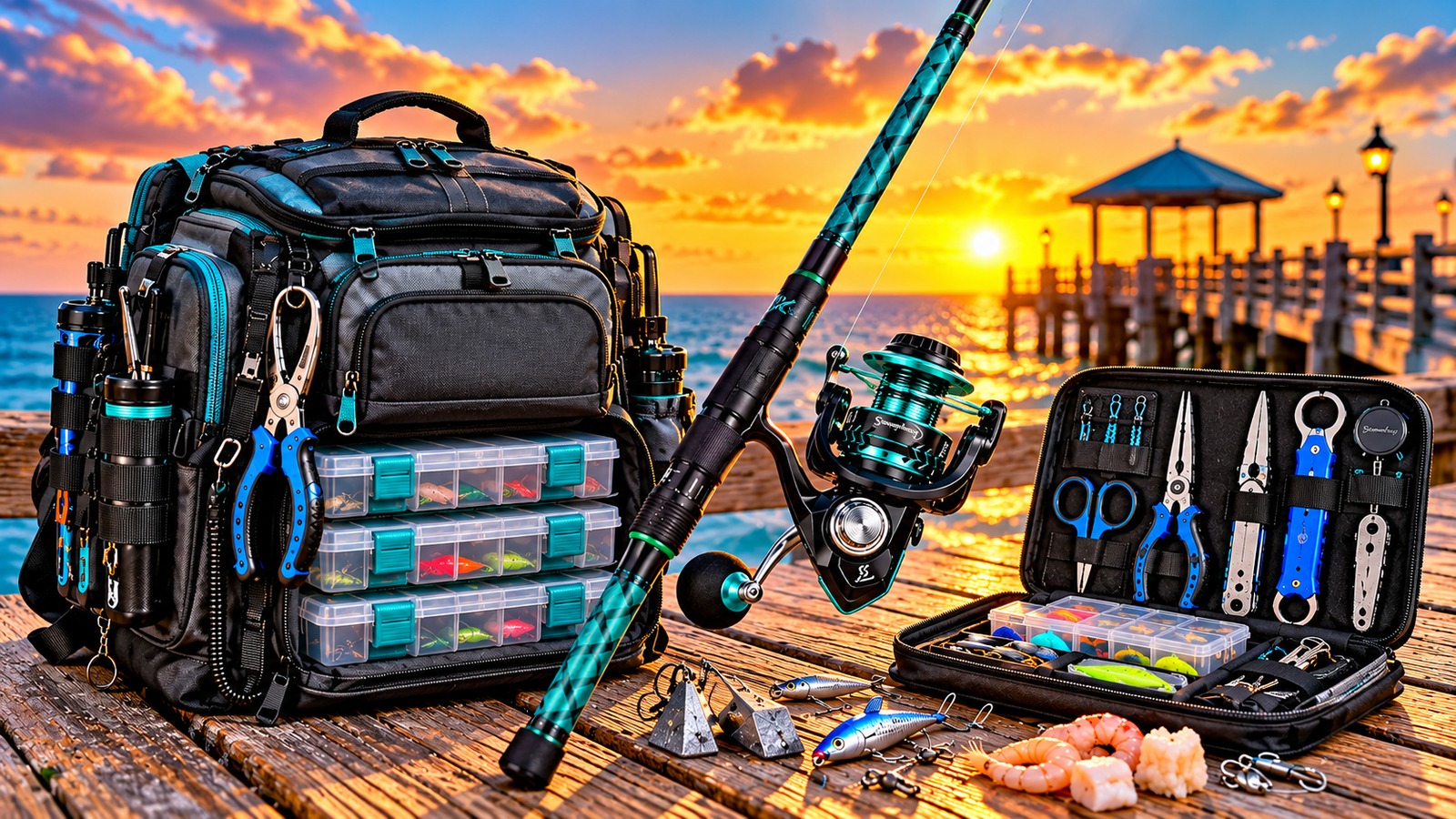
Pier fishing gives anglers access to deeper water, structure, current, and a variety of fish without requiring a boat. A good pier setup should be versatile enough to handle different rigs and fishing techniques while remaining easy to carry and organize.
The best fishing gear for pier fishing starts with a capable rod-and-reel combination, suitable fishing line and leader, basic terminal tackle, dependable fishing tools, and organized storage. The goal is not to bring every piece of fishing equipment you own, but to build a practical setup that works efficiently from the pier.
What Fishing Gear Do You Need for Pier Fishing?
Pier fishing can involve casting away from the structure, dropping bait vertically, working lures near pilings, or fishing different depths as conditions change. Your equipment should allow you to adapt without carrying an excessive amount of gear.
- Rod and spinning reel
- Fishing line
- Leader material
- Hooks
- Sinkers and weights
- Swivels and snaps
- Lures or natural bait
- Fishing pliers
- Line cutter
- Tackle storage
- Sun protection
- Appropriate safety equipment
Once you learn the species and techniques that work at your local pier, you can add more specialized equipment as needed.
Pier Fishing Gear to Consider
These three products cover several important parts of a pier fishing setup: rod-and-reel equipment, tackle organization, and frequently used fishing tools.
Disclosure: The product links below are paid affiliate links. As an Amazon Associate I earn from qualifying purchases.
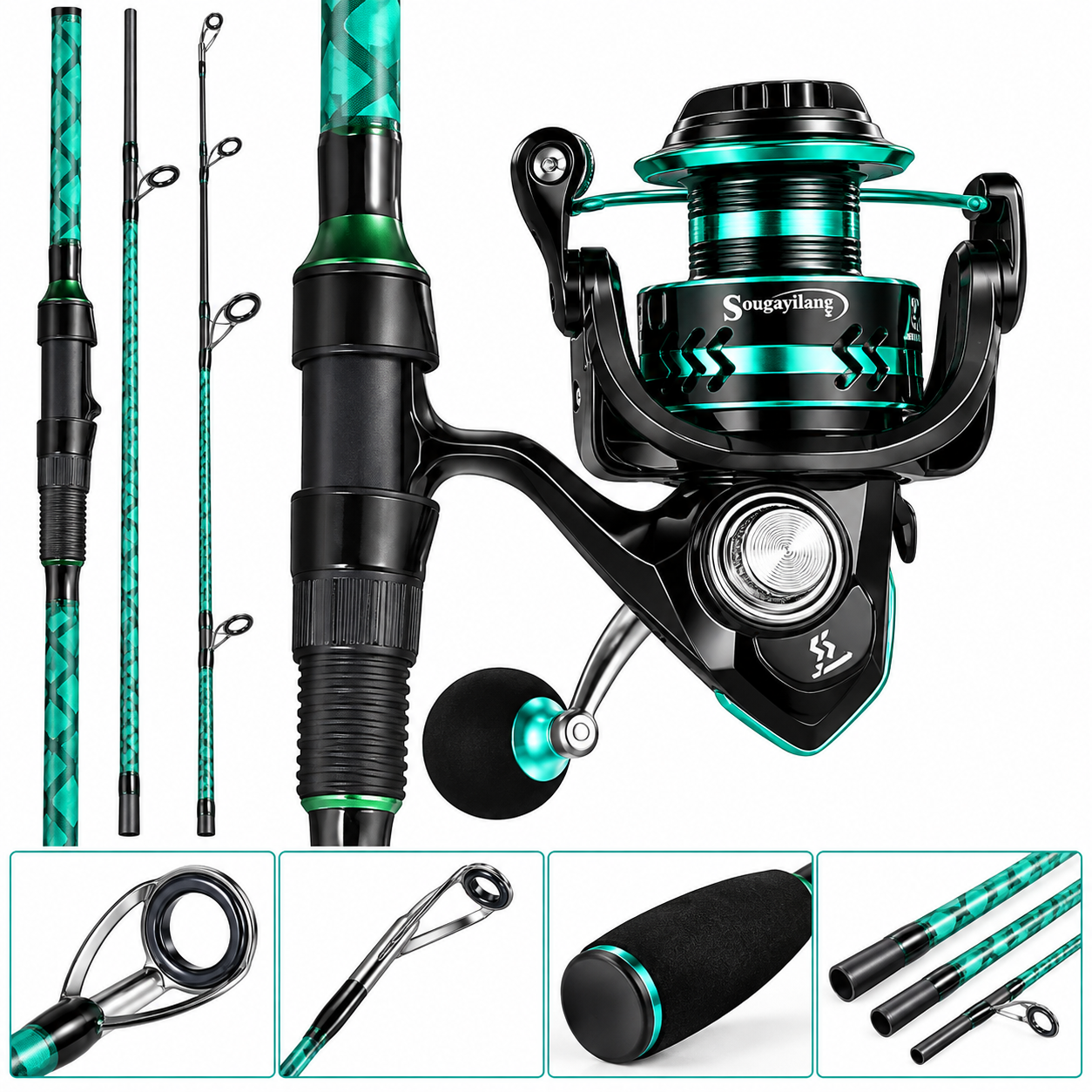
Sougayilang Pier Fishing Combo
A three-piece heavy-power rod and 5000 spinning reel combination designed for coastal fishing from piers, beaches, and jetties.
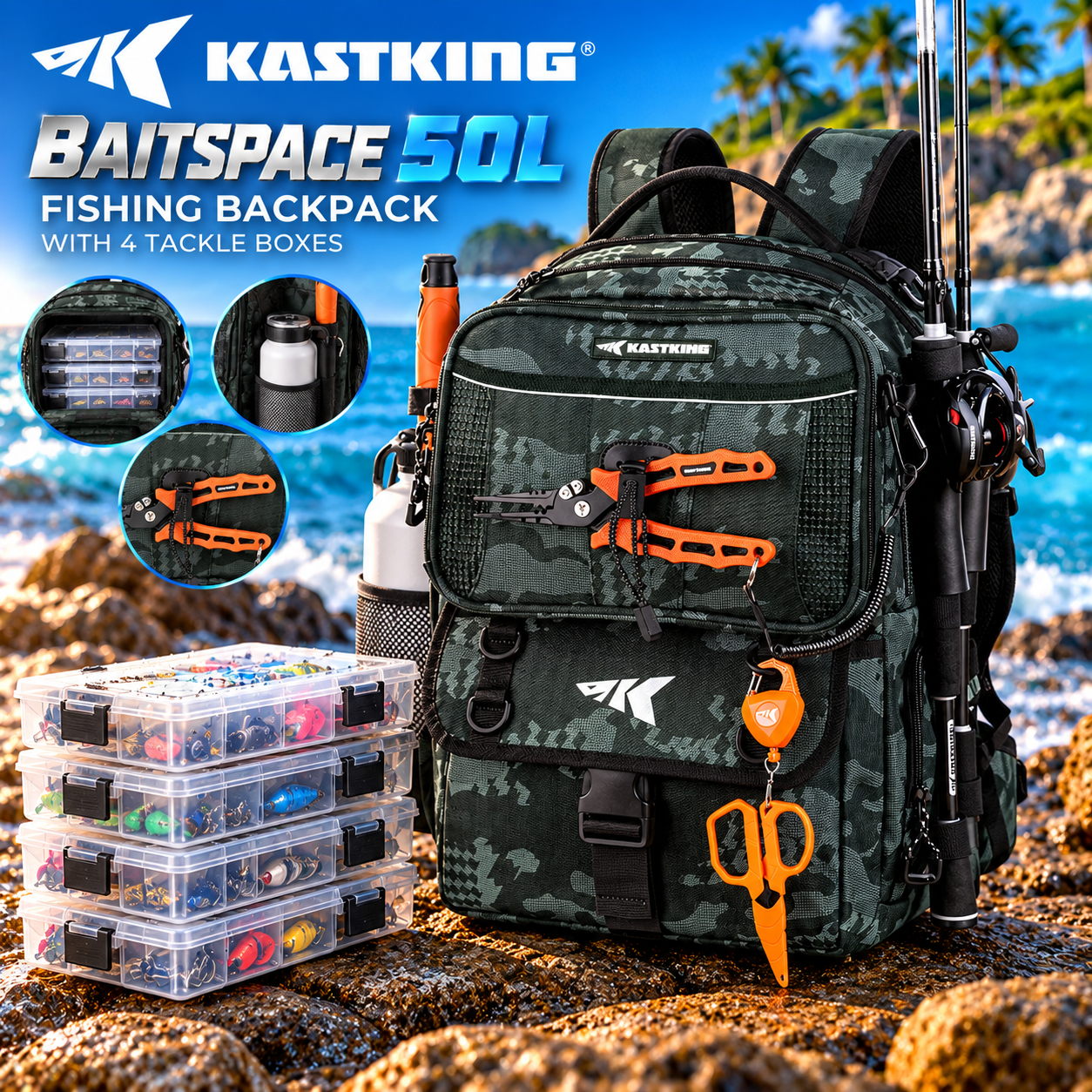
KastKing BaitSpace 50L Backpack
A large fishing backpack with four tackle boxes for organizing lures, terminal tackle, tools, and other pier fishing equipment.
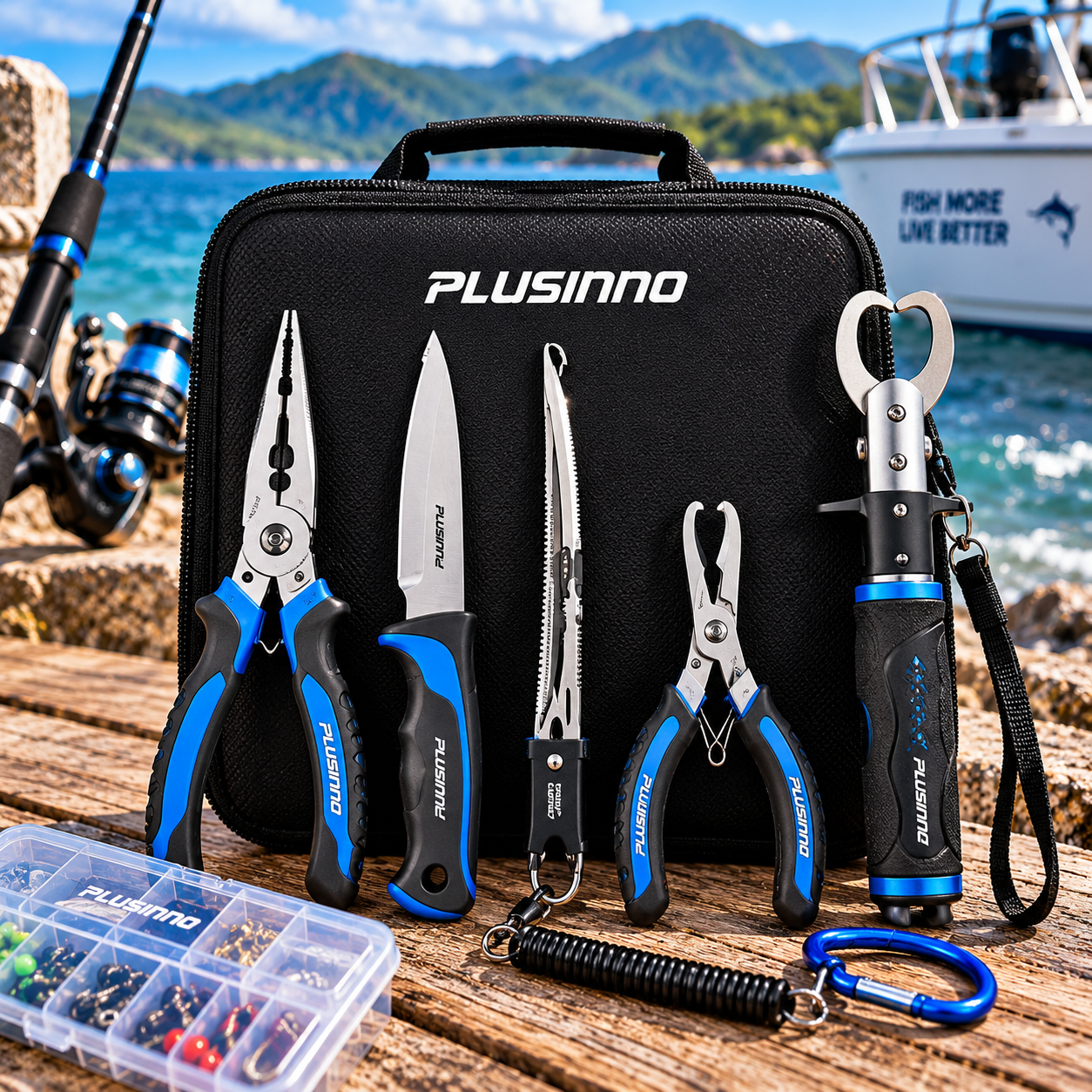
PLUSINNO Fishing Tools Kit
A useful collection of fishing tools for handling hooks, cutting line, working with tackle, and performing common fishing tasks.
1. Start With a Versatile Pier Fishing Rod
A pier fishing rod should give you enough versatility to cast away from the pier, work rigs near structure, and control fish around pilings and other obstacles.
Rod length, power, action, lure-weight rating, and the species you expect to target should all influence your choice. A longer rod can provide additional casting leverage, while a shorter setup may be easier to maneuver when fishing around other anglers or directly beside the pier.
2. Choose Rod Power for Your Fishing Conditions
Rod power should match the rigs, sinkers, lures, and fish you expect to encounter. Heavier equipment can provide additional backbone for larger rigs and demanding conditions, but it is not automatically the best choice for every pier.
Always check the recommended line and lure ranges of the specific rod before building the rest of your setup.
3. Consider a Pier Fishing Rod and Reel Combo
A rod-and-reel combination can simplify the process of building a fishing setup because the two major components are packaged together.
According to the supplied product information, the Sougayilang combo featured above uses a carbon-fiber and fiberglass composite blank, a sensitive solid tip, corrosion-resistant stainless-steel guide frames with ceramic inserts, a three-piece design, and a high-density EVA handle.
The included 5000 spinning reel is listed with 12+1 stainless-steel ball bearings, a 5.0:1 gear ratio, and an interchangeable left- or right-hand handle. The rod is listed as heavy power and is marketed for fishing from beaches, jetties, and piers.
4. Match Your Reel to the Fishing Situation
Spinning reels are widely used for pier fishing because they can handle many common bait and lure presentations while remaining relatively straightforward to operate.
Reel size should be selected according to the rod, line capacity, target species, and fishing technique. Larger reels can provide additional line capacity, but they also add weight to the overall setup.
5. Choose Fishing Line Carefully
Fishing line affects casting, sensitivity, line capacity, abrasion resistance, and how effectively you can control a fish around pier structure.
Braided line can provide relatively thin diameter and low stretch, while monofilament provides stretch and straightforward handling. Either can be useful depending on the equipment and fishing conditions.
Match the line strength to your rod, reel, target species, and the amount of structure around the pier.
6. Use Leader Material Around Structure
Pier pilings, rocks, shells, and other hard surfaces can create abrasion. Leader material provides an additional section between the main line and your hook or lure.
Leader strength and material should be selected according to water clarity, target species, fishing technique, and the structure you expect to encounter.
7. Carry Several Useful Hook Sizes
Pier anglers may encounter multiple species during the same fishing session. Carrying several practical hook sizes allows you to adapt to different baits and fish without filling your tackle box with unnecessary options.
Hook size should match the bait and target species, and local regulations should always be checked for species-specific hook requirements.
8. Keep Several Sinkers and Weights Available
Current, depth, wind, and the type of rig being used determine how much weight may be required.
A selection of practical sinker sizes allows you to adjust when conditions change. Never exceed the recommended casting-weight range of your fishing rod.
9. Add Swivels and Snaps to Your Tackle
Swivels and snaps take up very little room and can be useful for building or changing common pier fishing rigs.
Swivels may help manage line twist in certain presentations, while appropriate snaps can make some lure and rig changes more convenient.
10. Keep Your Lure Selection Manageable
You do not need a large lure collection to fish effectively from a pier. A smaller selection that covers different depths and presentations can be easier to organize and learn.
Depending on local species and conditions, anglers may use jigs, spoons, plugs, soft plastics, or other artificial presentations.
11. Natural Bait Is a Practical Pier Fishing Option
Natural bait is commonly used from piers because anglers can present bait near the bottom, around structure, or at different depths in the water column.
The appropriate bait depends on local species, season, regulations, and fishing conditions. Carry only the bait you can store appropriately during the trip.
12. Fishing Pliers Belong in Every Pier Setup
Fishing pliers can help remove hooks, grip tackle components, and perform routine rigging tasks.
Keep your pliers somewhere accessible rather than buried at the bottom of your tackle bag. After saltwater exposure, follow the manufacturer’s cleaning and maintenance recommendations.
13. Carry a Reliable Line Cutter
A dedicated line cutter or suitable fishing scissors makes it easier to trim leaders, change rigs, and remove damaged sections of fishing line.
If you use braided fishing line, make sure the cutting tool you carry can cut braid cleanly.
14. Organize Pier Fishing Gear in a Backpack
A fishing backpack can be especially convenient on a pier because it keeps equipment organized while leaving your hands available for carrying rods, bait, a cooler, or other gear.
The KastKing BaitSpace 50L featured above includes four tackle boxes and provides storage for terminal tackle, tools, lures, and other fishing equipment.
15. Consider How You Will Land Fish
Landing a fish from an elevated pier can be different from landing one at water level. Lifting a large fish directly with the fishing rod can place excessive stress on the rod, line, and terminal tackle.
Depending on the pier height, fish size, local rules, and fishing conditions, appropriate landing equipment may be necessary. Learn the correct method for the specific location before targeting fish that may be difficult to land safely.
16. Protect Your Equipment From Saltwater
Saltwater exposure can contribute to corrosion on reels, guides, tools, hooks, and other metal components.
Follow manufacturer maintenance instructions after fishing, allow equipment to dry before long-term storage, and avoid leaving wet tackle sealed inside bags or boxes.
17. Make Safety Part of Your Pier Fishing Setup
Piers can become slippery, crowded, windy, and exposed to changing weather. Keep tackle and loose equipment organized so that it does not create unnecessary tripping hazards.
Use appropriate footwear, stay within designated fishing areas, follow posted pier rules, and use appropriate flotation equipment when conditions or local requirements call for it.
Best Pier Fishing Gear for Beginners
Beginners do not need an oversized collection of fishing equipment. One functional rod-and-reel setup, suitable fishing line and leader, basic terminal tackle, a few lures or bait rigs, pliers, cutters, and organized storage can cover many common pier fishing situations.
Learning how to use a smaller collection of equipment effectively is usually more useful than carrying a large amount of unfamiliar gear.
Best Pier Fishing Gear for Saltwater
Saltwater pier fishing places additional importance on corrosion resistance and equipment maintenance. Guides, reels, tools, hooks, and terminal tackle may all be exposed to saltwater and salt spray.
Choose equipment appropriate for the intended environment and follow manufacturer maintenance recommendations after use.
Fishing From the Bottom of a Pier
Bottom fishing from a pier often involves a baited rig, sinker, leader, and hook presented near the bottom.
Current and depth influence the amount of weight required. Use enough weight to manage the presentation without exceeding the capabilities of your fishing rod.
Casting Lures From a Pier
Casting lures allows anglers to cover water away from the pier and explore different depths.
The rod, reel, line, and lure should work together as a balanced system. Check the lure-weight range of the rod and avoid using lures outside the manufacturer’s recommended specifications.
Fishing Around Pier Pilings
Pilings can provide structure but can also create abrasion and make it easier for a fish to cut or damage fishing line.
Leader material, appropriate tackle, and controlled pressure can become especially important when fishing close to structure.
How Much Gear Should You Bring to a Pier?
Bring enough equipment to cover the fishing techniques you realistically plan to use without turning the trip into a major transport project.
- One primary rod and reel
- Fishing line and leader
- Hooks and sinkers
- Swivels and snaps
- A small lure or bait selection
- Fishing pliers
- Line cutter
- Organized tackle storage
- Water and sun protection
- Appropriate safety equipment
Once you become familiar with a particular pier, you can refine your equipment around the techniques and species that are most relevant there.
Common Pier Fishing Gear Mistakes
- Bringing too much unnecessary tackle
- Using a rod without checking its lure-weight range
- Ignoring leader material around structure
- Using more sinker weight than the rod is designed to cast
- Forgetting pliers or line cutters
- Leaving equipment exposed to salt residue
- Failing to plan how larger fish will be landed
- Leaving loose tackle where it can create a tripping hazard
- Ignoring local pier rules and fishing regulations
How to Build a Pier Fishing Setup
Start with the rod and reel because they determine many of the choices that follow. Select fishing line that matches the reel and intended conditions, then add leader material and terminal tackle appropriate for your target species.
Choose several practical hooks, sinkers, swivels, and a small collection of lures or bait rigs. Add fishing pliers and a reliable line cutter, then organize the equipment in a tackle box or fishing backpack.
Finally, consider how fish will be landed from the specific pier and include the personal and safety equipment appropriate for the location.
Frequently Asked Questions
What type of rod is good for pier fishing?
The appropriate rod depends on the species, rigs, casting requirements, pier structure, and fishing technique. A versatile spinning rod can cover many common situations, but rod length, power, action, and lure-weight rating should match your intended use.
Is a spinning reel good for pier fishing?
Yes. Spinning reels are commonly used from piers because they can handle many bait and lure presentations. Choose a reel that balances with the rod and provides suitable line capacity for the intended fishing.
Do I need a long fishing rod for a pier?
Not necessarily. A longer rod can provide additional casting leverage, while a shorter setup may be easier to maneuver around structure and other anglers. The ideal length depends on the pier and how you intend to fish.
What size reel should I use for pier fishing?
There is no single reel size for every pier. Reel size should be matched to the rod, fishing line, target species, required line capacity, and fishing technique.
Do I need a fishing backpack for pier fishing?
No, but a backpack can make it easier to transport and organize tackle while keeping your hands available for carrying rods and other equipment.
How do you land a large fish from a pier?
The appropriate method depends on the height of the pier, fish size, local regulations, and available landing equipment. Avoid attempting to lift a large fish solely with a rod that is not designed for that load.
Final Thoughts
The best fishing gear for pier fishing is equipment that gives you enough versatility to handle changing depth, current, structure, and fishing techniques without carrying unnecessary gear.
Start with a properly matched rod and reel, suitable line and leader, dependable terminal tackle, essential fishing tools, and organized storage. Then refine your setup as you learn the conditions and species found at the piers you fish most often.
Build Your Pier Fishing Kit
These three products provide examples of several major equipment categories discussed in this guide: a coastal rod-and-reel combination, organized tackle storage, and commonly used fishing tools.
Disclosure: The product links below are paid affiliate links. As an Amazon Associate I earn from qualifying purchases.
Sougayilang Pier Fishing Combo
A three-piece heavy-power rod and 5000 spinning reel combination designed for coastal fishing from piers, beaches, and jetties.
KastKing BaitSpace 50L Backpack
A large fishing backpack with four tackle boxes for organizing lures, terminal tackle, tools, and other pier fishing equipment.
PLUSINNO Fishing Tools Kit
A useful collection of fishing tools for handling hooks, cutting fishing line, working with tackle, and performing common fishing tasks.
Start with the Best Fishing Gear for Shore Fishing, explore the Saltwater Fishing Gear Checklist, learn How to Choose a Fishing Rod, or use the PickRightGear Gear Advisor to narrow down the equipment that fits your fishing needs.
Continue Learning
Explore Fishing guides, read Best Fishing Gear for Shore Fishing, see the Best Saltwater Fishing Gear for Beginners, compare Braided Line vs. Monofilament, or use the PickRightGear Gear Advisor.
Affiliate Disclosure: As an Amazon Associate I earn from qualifying purchases.