
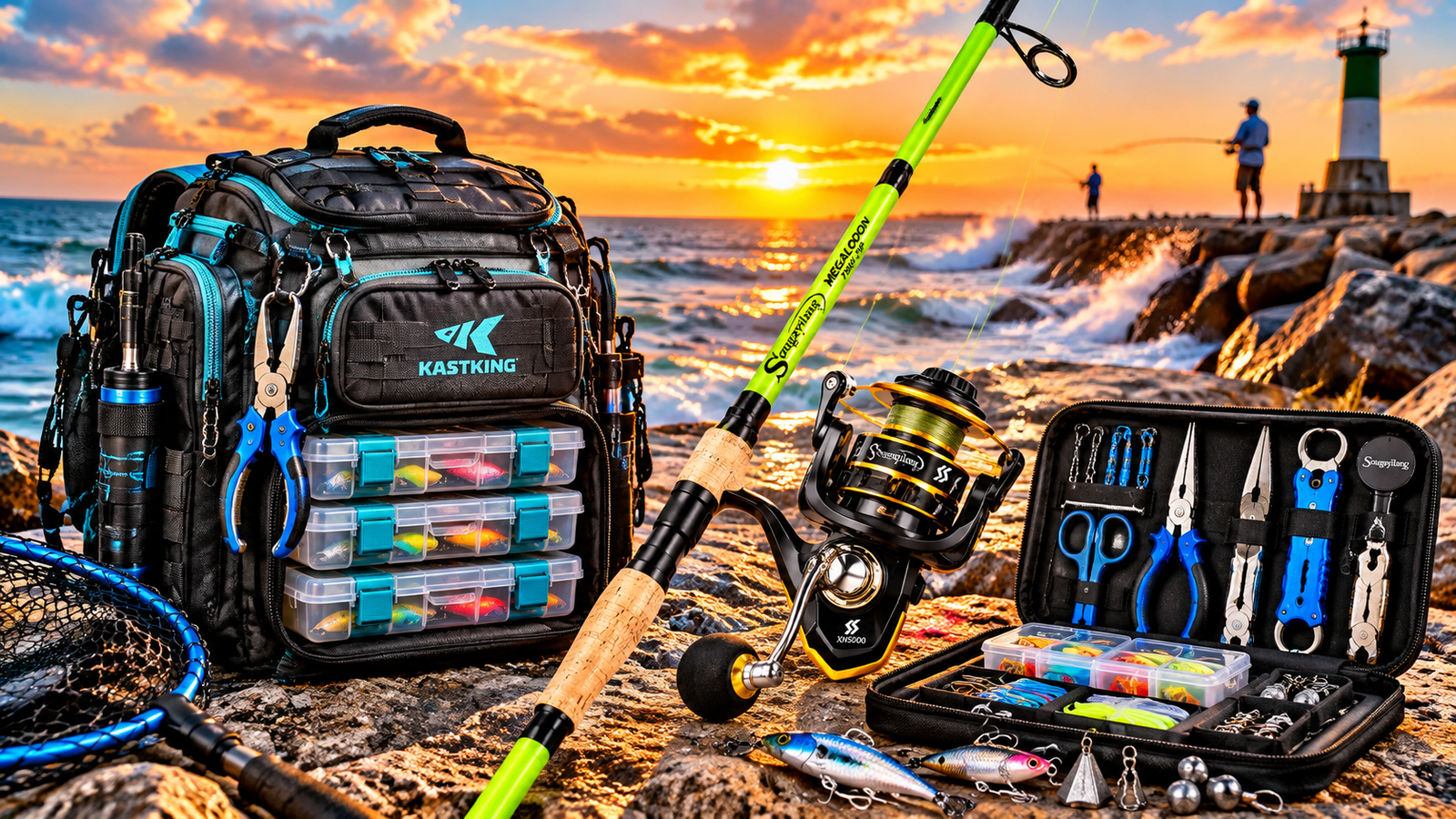
Jetty fishing gives anglers access to deeper water, moving current, rocky structure, and a wide range of coastal fish without requiring a boat. A practical jetty setup should be strong enough for demanding conditions while remaining manageable when walking across rocks or carrying equipment to the fishing area.
This guide explains the best fishing gear for jetty fishing, including rods, reels, fishing line, leaders, terminal tackle, tools, storage, and other equipment that can help you build an organized setup for fishing from coastal jetties.
What Fishing Gear Do You Need for Jetty Fishing?
Jetty fishing equipment should help you cast effectively, control fish around structure, adjust to changing current, and keep essential tackle organized.
- Fishing rod and reel
- Fishing line and leader material
- Hooks and terminal tackle
- Sinkers and weights
- Swivels and snaps
- Lures or natural bait
- Fishing pliers and cutters
- Tackle backpack or bag
- Appropriate footwear and safety equipment
The exact setup depends on the size of fish, water depth, current, structure, casting distance, and fishing technique you plan to use.
Jetty Fishing Gear to Consider
Disclosure: The product links below are paid affiliate links. As an Amazon Associate I earn from qualifying purchases.
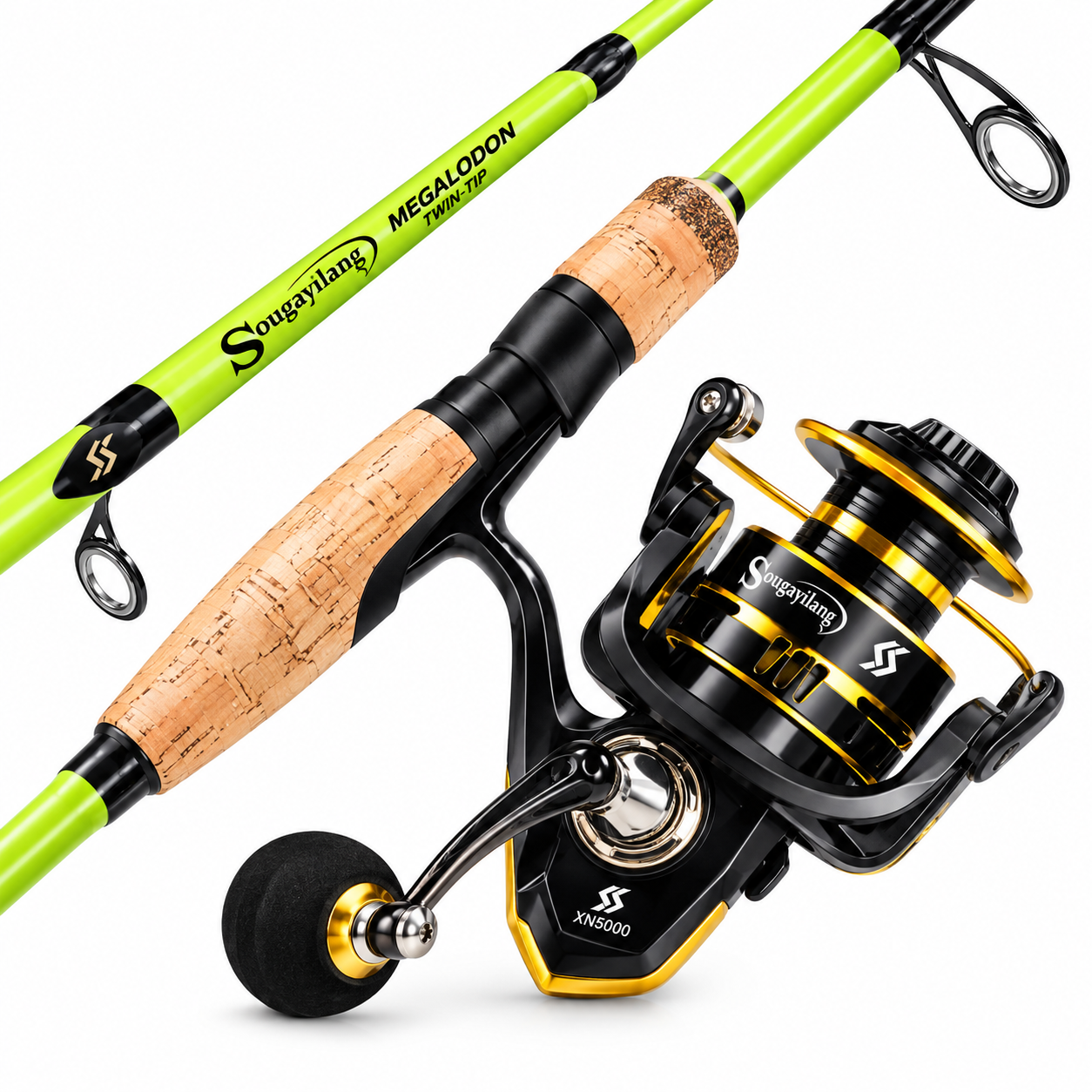
Sougayilang Rod & Reel Combo
A two-piece spinning setup with medium and medium-heavy rod options for building a versatile coastal fishing setup.
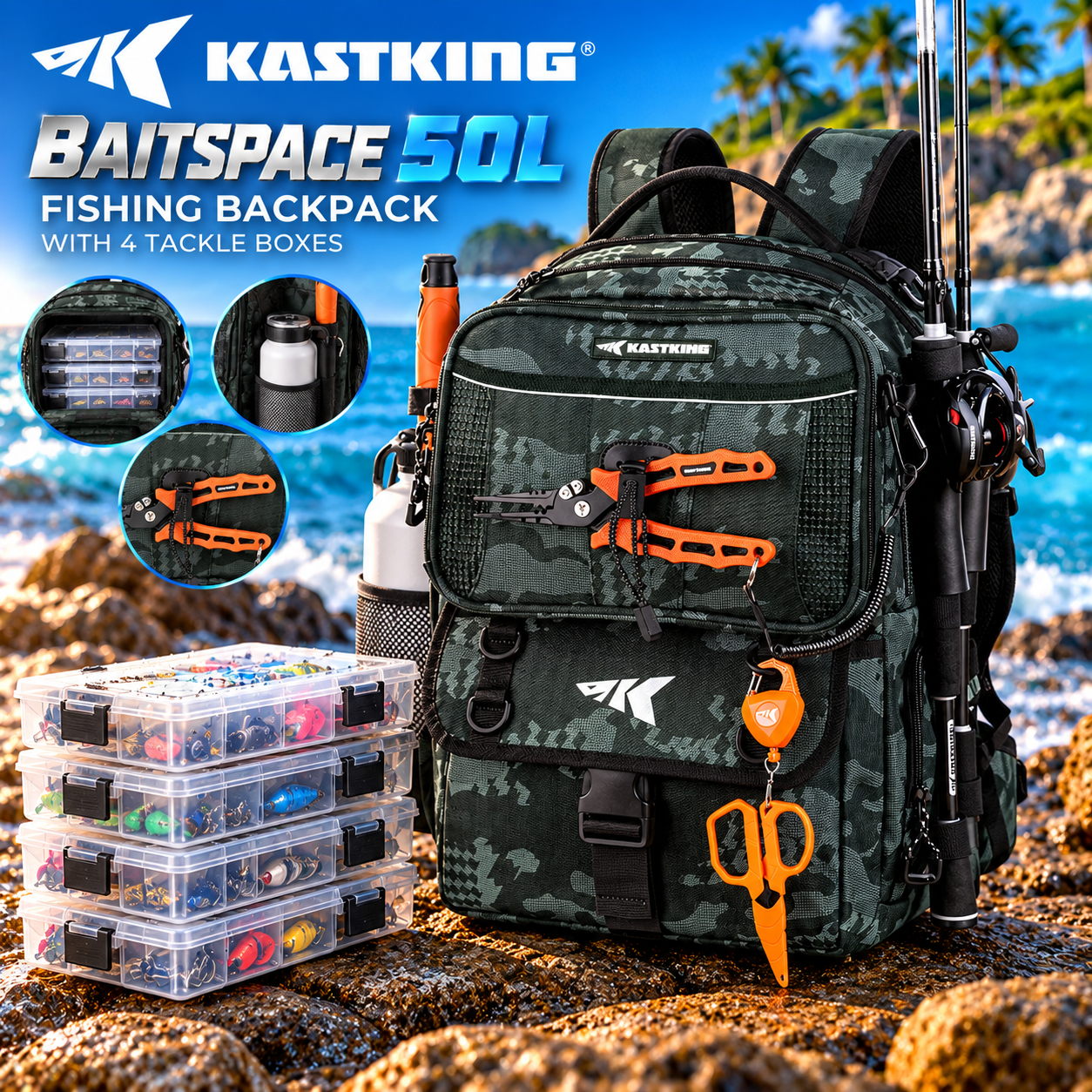
KastKing BaitSpace 50L Backpack
A large fishing backpack with four tackle boxes for organizing lures, terminal tackle, tools, and other fishing equipment.
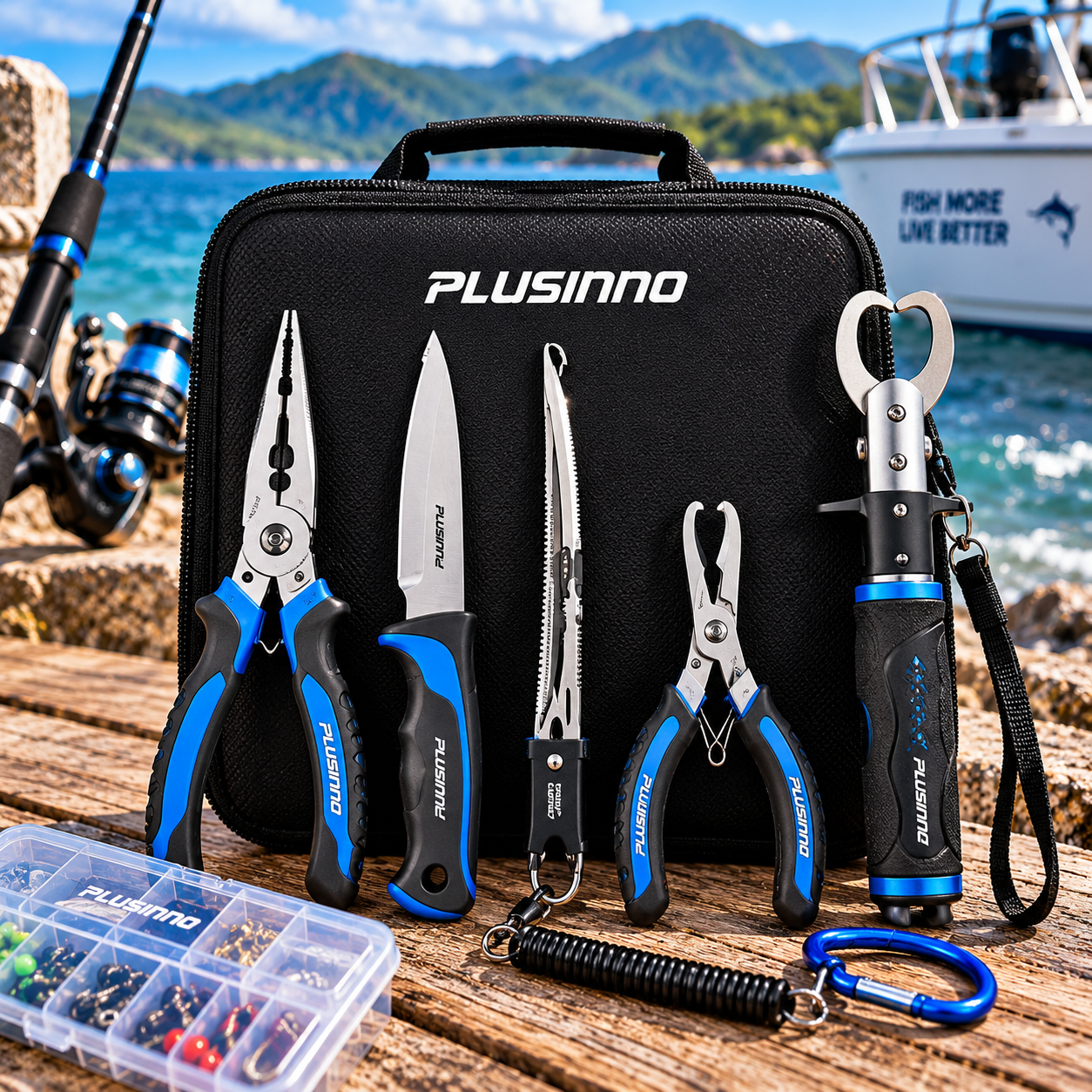
PLUSINNO Fishing Tools Kit
A useful collection of fishing tools for handling hooks, cutting fishing line, working with tackle, and other common fishing tasks.
1. Start With a Versatile Jetty Fishing Rod
A jetty fishing rod should provide enough casting capability and control for the water and structure you are fishing. Rod length, power, action, lure-weight range, and portability should all be considered.
The best choice depends on whether you plan to cast lures, fish bait near the bottom, work around rocks, or target fish at greater distances from the jetty.
2. Choose Rod Power for the Fish and Structure
Rod power affects how much pressure the rod can comfortably handle. Medium and medium-heavy rods are common options for many coastal fishing situations, but the correct choice depends on your target species, lure or sinker weight, and fishing environment.
Around rocky structure, having enough control to guide a fish away from obstacles can be particularly important.
3. Consider a Rod and Reel Combo
A rod-and-reel combination can simplify the process of assembling a fishing setup because the two primary components are packaged together.
The Sougayilang combination featured above uses a two-piece rod constructed with a 30-ton carbon matrix blank. The supplied product information lists medium and medium-heavy power options, fast action, stainless steel guides with ceramic inserts, and a spinning reel with 12+1 bearings and a 5.0:1 gear ratio.
Always check the specifications of the exact size and configuration you are considering because available rod and reel variants may differ.
4. Match the Reel to Your Jetty Fishing
Spinning reels are commonly used for jetty fishing because they can work with many casting and bait-fishing techniques. Reel size should match the rod, fishing line, expected fish, and amount of line you may need.
For saltwater use, maintenance is especially important. Follow the manufacturer’s care instructions after fishing around saltwater, sand, and spray.
5. Choose Fishing Line Carefully
Fishing line affects casting, sensitivity, line capacity, knot performance, and your ability to control fish around structure.
Braided line offers relatively low stretch and a thin diameter for a given strength, while monofilament provides more stretch and straightforward handling. Either can be useful depending on your setup and fishing technique.
6. Use Leader Material Around Rocks
Jetty fishing often places fishing line near rocks, shells, pilings, and other abrasive surfaces. Leader material can provide additional abrasion resistance near the lure, hook, or bait rig.
Choose leader strength according to the fish, structure, main line, and conditions instead of automatically using the heaviest material available.
7. Carry Several Useful Hook Sizes
If you fish with natural or prepared bait, carry hooks appropriate for the bait and species you expect to encounter.
A small, organized assortment is generally easier to manage than carrying large quantities of hook styles that do not match your fishing techniques.
8. Keep Different Sinkers and Weights Available
Current and water depth can change considerably around a jetty. Sinkers help position bait and can make it easier to keep a rig in the intended fishing zone.
Carrying several useful weights allows you to adjust your setup instead of relying on one sinker size for every condition.
9. Add Swivels and Snaps
Swivels and snaps are small pieces of terminal tackle that can be useful in many jetty fishing rigs.
Keep several compatible sizes organized with your hooks, weights, and leader material so you can rebuild rigs when needed.
10. Build a Manageable Lure Selection
Jetty anglers can use a wide variety of artificial lures. Rather than carrying an oversized collection, choose several options that allow you to fish different depths and retrieve speeds.
The lures should also fall within the recommended casting range of your rod.
11. Natural Bait Can Be Effective From Jetties
Natural or prepared bait is another option for fishing around jetties. The appropriate bait depends on local species, regulations, season, and fishing conditions.
Keep bait stored properly during your trip and verify local rules regarding permitted bait and fishing methods.
12. Fishing Pliers Are Essential Jetty Tools
Fishing pliers can help remove hooks, grip tackle components, and perform routine rigging tasks.
Because tools used around saltwater can be exposed to corrosion, rinse, dry, inspect, and maintain them according to the manufacturer’s recommendations.
13. Carry a Reliable Fishing Line Cutter
A dedicated cutter or pair of fishing scissors makes it easier to cut fishing line cleanly while tying leaders and rebuilding rigs.
Make sure your cutter is appropriate for the fishing line you use, particularly if you fish with braided line.
14. Organize Gear in a Fishing Backpack
Portability matters when fishing from a jetty because you may need to carry equipment across parking areas, beaches, trails, or rocky terrain before reaching your fishing position.
A fishing backpack can organize tackle boxes, leaders, tools, lures, terminal tackle, water, and other equipment while keeping your hands more available during the walk.
15. Protect Your Equipment From Saltwater
Saltwater exposure can accelerate corrosion on fishing equipment. Rod guides, reels, tools, hooks, and other metal components should be inspected regularly.
Follow manufacturer cleaning instructions and allow equipment to dry before storing it for extended periods.
16. Choose Footwear for Jetty Conditions
Jetties can include uneven, wet, or slippery surfaces. Footwear should be appropriate for the specific terrain and conditions where you plan to fish.
Avoid assuming every jetty is safe to access. Conditions can vary significantly with waves, tides, weather, and the design of the structure.
17. Make Safety Part of Your Jetty Fishing Setup
Fishing gear is only part of preparing for a jetty trip. Check weather, waves, tides, local access rules, and changing water conditions before fishing.
Use appropriate safety equipment for the location, keep a safe distance from dangerous water, and avoid positioning yourself where unexpected waves could create unnecessary risk.
Best Jetty Fishing Gear for Beginners
Beginners should keep a jetty setup manageable. One suitable rod-and-reel combination, appropriate line and leader, several hooks and weights, a few lures or bait rigs, fishing pliers, cutters, and organized storage provide a practical starting point.
Learning how your equipment performs around current and structure is more valuable than immediately building a large collection of specialized gear.
Best Jetty Fishing Gear for Saltwater
When fishing a saltwater jetty, consider equipment that is suitable for coastal conditions and follow the manufacturer’s maintenance instructions.
Salt, moisture, and sand can affect reels, rod guides, tools, hooks, and other tackle, so cleaning and proper storage should become part of your fishing routine.
Bottom Fishing From a Jetty
Bottom fishing is one common approach from jetties. A baited rig can be positioned near deeper water or structure where fish may be feeding.
Sinker weight should be adjusted according to current, depth, line, and the type of rig being used.
Casting Lures From a Jetty
Casting artificial lures allows you to cover water at different depths and distances. Select lure weight according to the rod specifications and adjust retrieval speed based on conditions.
Pay attention to rocks, nearby anglers, structures, and other obstacles before casting.
Fishing Around Jetty Rocks
Rocky structure can attract fish, but it can also increase the possibility of abrasion and snagged tackle.
Leader material, appropriate line, controlled fish handling, and a manageable terminal-tackle selection can make it easier to rebuild when tackle is damaged or lost.
How Much Gear Should You Bring to a Jetty?
Bring enough equipment to handle your planned fishing techniques without making the setup unnecessarily difficult to carry.
One rod-and-reel setup, organized terminal tackle, several lures or bait rigs, essential tools, leader material, water, and appropriate safety equipment can cover many jetty fishing situations.
Common Jetty Fishing Gear Mistakes
- Carrying more equipment than you can comfortably manage
- Using a rod or reel that does not match the fishing conditions
- Ignoring abrasion around rocks and structure
- Using only one sinker weight regardless of current
- Forgetting leader material
- Leaving fishing pliers or line cutters behind
- Failing to maintain equipment after saltwater exposure
- Wearing footwear that is unsuitable for the terrain
- Ignoring weather, waves, tides, and changing conditions
How to Build a Jetty Fishing Setup
Start with a rod and reel suited to your intended fishing technique. Match the reel with appropriate fishing line, then add leader material based on the fish and structure you expect to encounter.
Next, organize hooks, sinkers, swivels, lures or bait rigs, fishing pliers, and line cutters. Keep these items in tackle boxes or a backpack that is practical to carry to the jetty.
Finally, add appropriate clothing, footwear, water, sun protection, and any safety equipment needed for the specific fishing location.
Frequently Asked Questions
What fishing gear do I need for jetty fishing?
A basic setup includes a rod and reel, fishing line, leader, hooks, sinkers, terminal tackle, lures or bait, fishing pliers, line cutters, and organized tackle storage.
What type of rod is good for jetty fishing?
The appropriate rod depends on target species, casting distance, lure or sinker weight, current, and structure. Consider rod length, power, action, and recommended lure and line ranges before choosing.
Is braided line good for jetty fishing?
Braided line can be useful because of its relatively low stretch and thin diameter, but the best line depends on your reel, technique, target species, and fishing conditions. Leader material may be particularly useful around abrasive structure.
Do I need a fishing backpack for jetty fishing?
No. A tackle box or fishing bag can also work. A backpack can be convenient when you need to walk while carrying fishing equipment and want to keep your hands more available.
Can I use a rod and reel combo for jetty fishing?
Yes, provided the specifications of the exact combination are appropriate for your fishing conditions, target species, line, and tackle. Always review the manufacturer’s specifications before choosing a setup.
How do I protect fishing gear after fishing from a saltwater jetty?
Follow the manufacturer’s care recommendations for your rod, reel, tools, and accessories. Allow equipment to dry before storage and inspect components regularly for signs of wear or corrosion.
Final Thoughts
The best fishing gear for jetty fishing is equipment that matches your fishing conditions while remaining practical to carry, organize, use, and maintain.
Start with a suitable rod-and-reel setup, appropriate line and leader, a manageable terminal-tackle selection, useful fishing tools, and organized storage.
As you gain experience on the jetties you fish most often, you can adjust your equipment based on the species, current, structure, casting distance, and techniques that work best for those locations.
Build Your Jetty Fishing Kit
These three products provide examples of the major equipment categories discussed in this guide: a rod-and-reel setup, organized tackle storage, and commonly used fishing tools.
Disclosure: The product links below are paid affiliate links. As an Amazon Associate I earn from qualifying purchases.
Sougayilang Rod & Reel Combo
A two-piece spinning setup with medium and medium-heavy rod options for building a versatile coastal fishing setup.
KastKing BaitSpace 50L Backpack
A large fishing backpack with four tackle boxes for organizing lures, terminal tackle, tools, and other fishing equipment.
PLUSINNO Fishing Tools Kit
A useful collection of fishing tools for handling hooks, cutting fishing line, working with tackle, and other common fishing tasks.
Compare this guide with Best Fishing Gear for Pier Fishing, explore Best Fishing Gear for Shore Fishing, use the Saltwater Fishing Gear Checklist, or use the PickRightGear Gear Advisor to narrow down the equipment that fits your fishing needs.
Continue Learning
Explore Fishing guides, read Best Fishing Gear for Pier Fishing, compare Best Fishing Gear for Shore Fishing, learn Braided Line vs. Monofilament, or use the PickRightGear Gear Advisor.
Affiliate Disclosure: As an Amazon Associate I earn from qualifying purchases.