
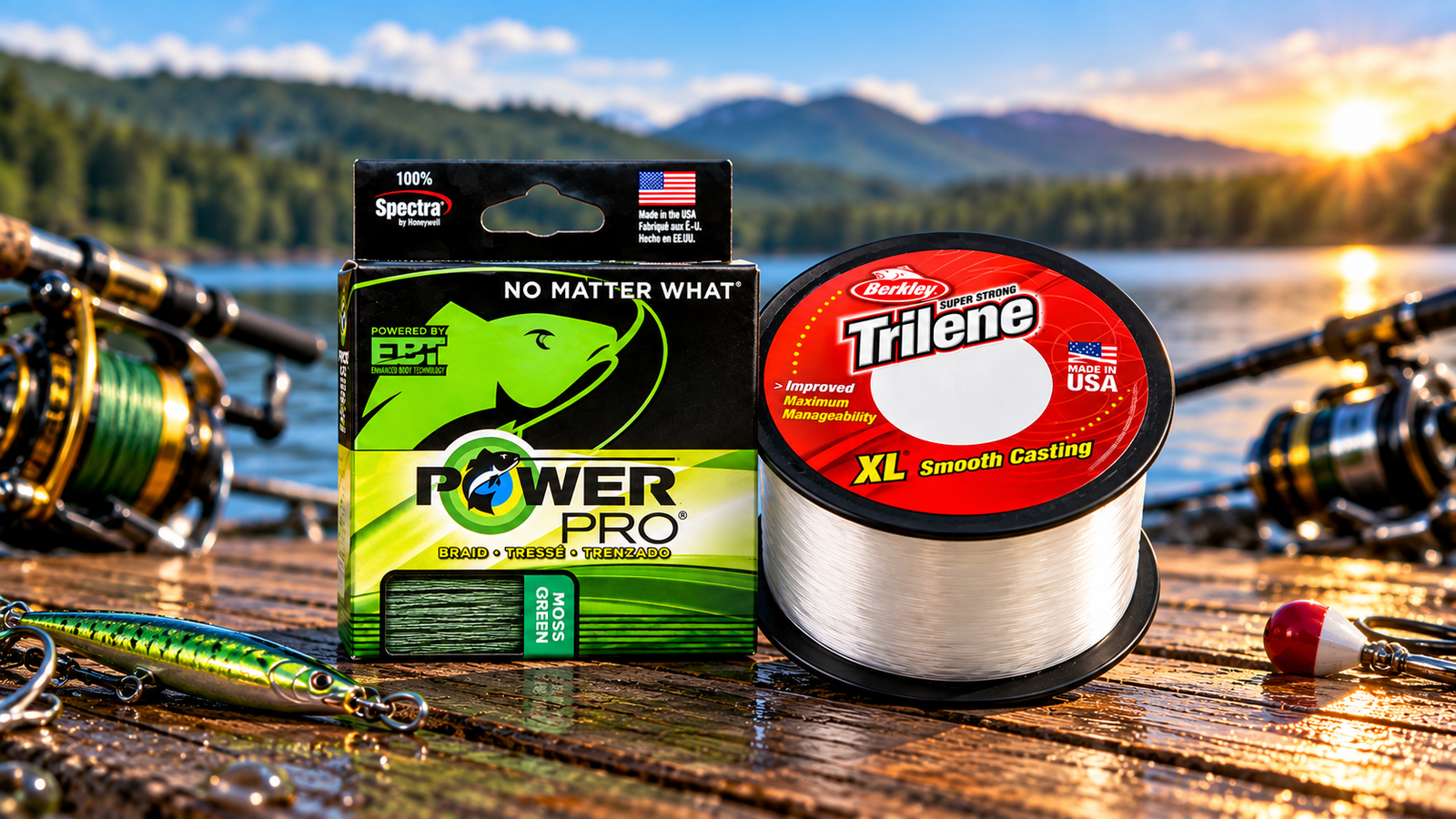
Choosing between braided line and monofilament is one of the most common decisions anglers face when setting up a reel. Both types of fishing line can work extremely well, but they behave differently when casting, tying knots, detecting bites, fighting fish, and fishing around different types of cover.
The right choice depends on your fishing technique, reel, lure, target species, water conditions, and how much stretch and sensitivity you want from the line.
Monofilament is generally easy to handle, has noticeable stretch, and can be a straightforward choice for beginners and many general-purpose fishing situations. Braided line has very low stretch, a thin diameter relative to its strength, and high sensitivity, making it useful when direct contact with the lure and strong line are priorities.
Braided Line vs. Monofilament: The Key Difference
The biggest difference is how the two lines are constructed and how that affects their behavior.
Monofilament is made as a single strand of material. Braided fishing line is constructed from multiple fibers woven together into a thin, strong line.
Those different constructions affect stretch, sensitivity, diameter, visibility, knot selection, abrasion behavior, and overall handling.
Two Fishing Lines to Compare
These two products provide practical examples of braided and monofilament fishing line.
Disclosure: The product links below are paid affiliate links. As an Amazon Associate I earn from qualifying purchases.
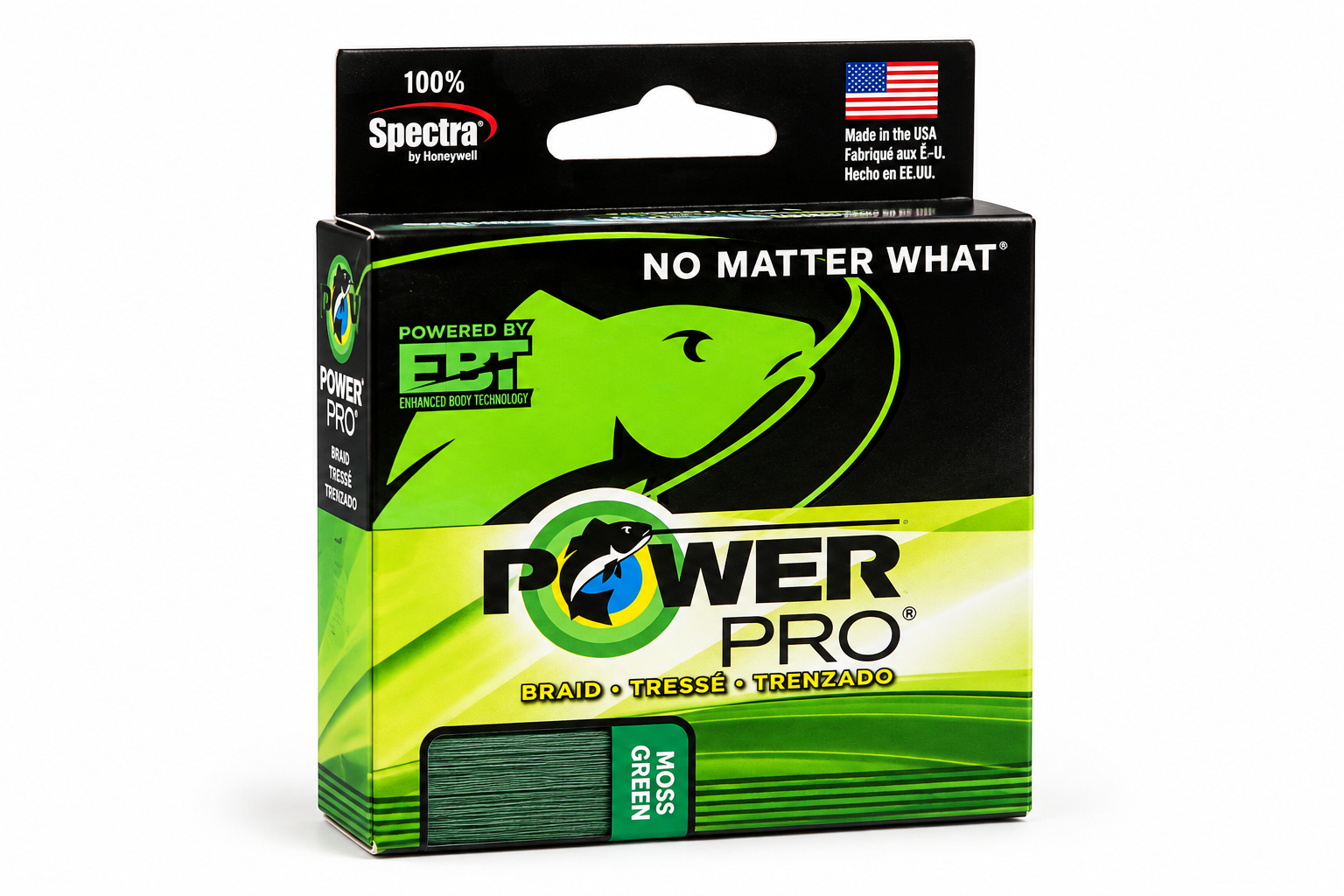
Power Pro Spectra Fiber Braided Line
A braided fishing line option for anglers who want low stretch, high sensitivity, and a thin line diameter relative to its strength.
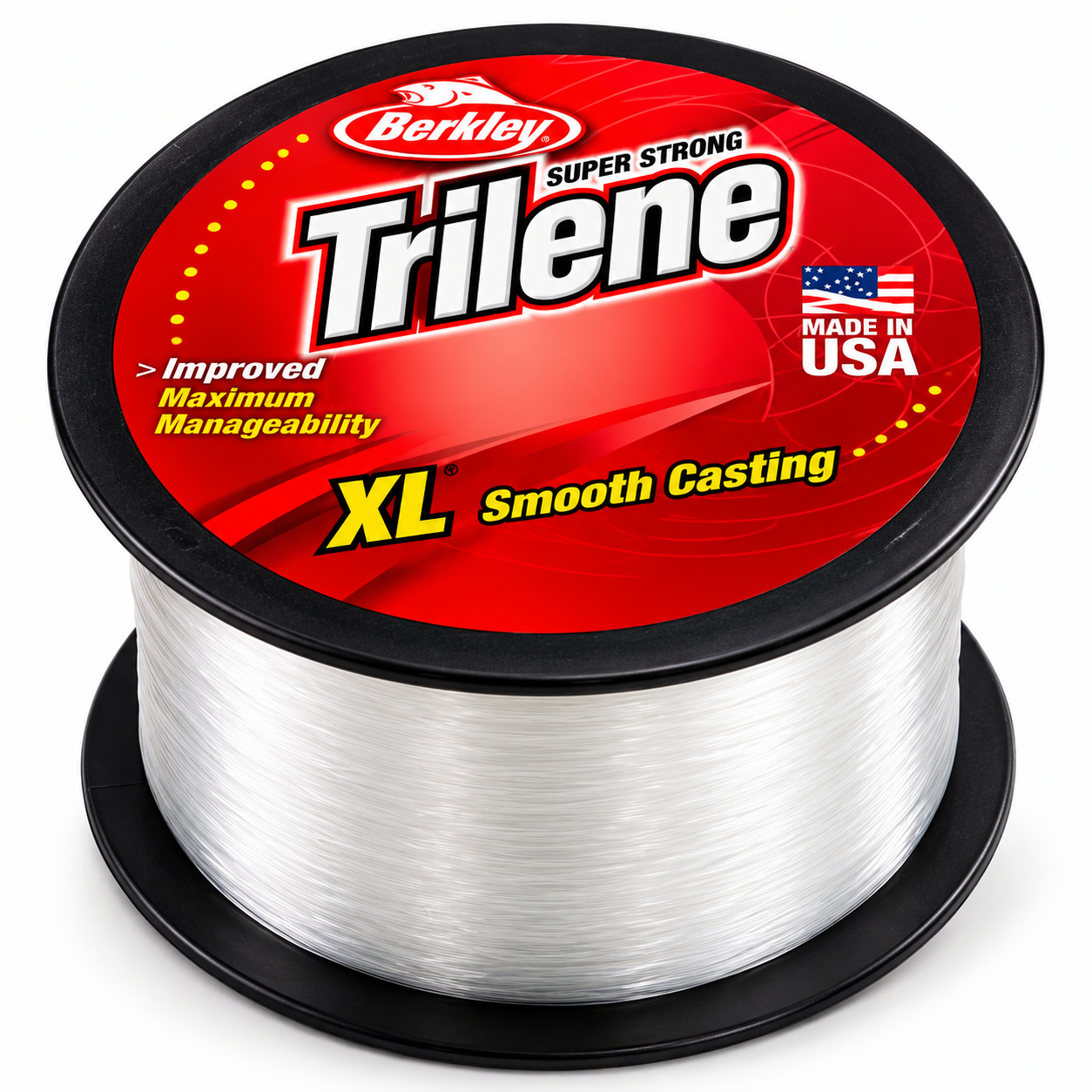
Berkley Trilene XL Monofilament
A traditional monofilament option for anglers looking for manageable line with the stretch characteristics associated with mono.
What Is Braided Fishing Line?
Braided fishing line is made by weaving multiple synthetic fibers together.
One of its defining characteristics is very low stretch. That creates a more direct connection between the angler and the lure, which can make subtle changes in lure movement and contact easier to feel.
Braid can also provide considerable strength at a relatively small diameter, allowing anglers to fit strong line onto a reel without requiring the same diameter as some other line types.
What Is Monofilament Fishing Line?
Monofilament fishing line is made from a single strand of material rather than multiple woven fibers.
Mono has more stretch than braid. That stretch can absorb sudden changes in tension when casting, setting a hook, or fighting a fish.
Its familiar handling characteristics and straightforward knot tying make monofilament a common starting point for new anglers.
Braided Line vs. Monofilament for Beginners
Monofilament can be easier for a beginner who is learning basic line management, knots, casting, and lure presentation.
Braid is also usable by beginners, but it behaves differently. Its low stretch means mistakes involving excessive tension or aggressive hooksets may feel different than they do with mono.
Braid also requires knots that hold properly with its slick woven construction, and some fishing situations may benefit from adding a separate leader.
Which Line Has More Stretch?
Monofilament has substantially more stretch than braided line.
Stretch can provide a cushioning effect when a fish makes a sudden run or when the rod, reel, and line are placed under rapid tension.
Braid’s low-stretch construction provides a more immediate connection to the lure and fish.
Neither characteristic is automatically better. The amount of stretch you want depends on the fishing technique and complete tackle setup.
Which Line Is More Sensitive?
Braided line generally provides greater sensitivity because it stretches very little.
Changes at the lure end of the line are transmitted more directly toward the rod and angler.
This can be useful when detecting subtle bites or feeling a lure contact structure, vegetation, or the bottom.
Monofilament’s additional stretch reduces some of that direct feedback but can be beneficial when a more forgiving connection is desirable.
Which Line Has a Smaller Diameter?
For comparable breaking strengths, braided fishing line is generally thinner than monofilament.
A smaller diameter can influence spool capacity, casting characteristics, water resistance, and how a lure behaves.
However, anglers should not select line solely by advertised pound-test. Diameter and manufacturer specifications are also important when matching line to a reel.
Braid vs. Mono for Casting
Both line types can cast effectively when correctly matched with the reel, rod, and lure.
Braid’s relatively thin diameter can work well for many casting applications, while monofilament’s manageable characteristics make it familiar and predictable for many anglers.
Casting performance also depends on spool fill, line condition, lure weight, rod design, reel setup, wind, and casting technique.
Which Line Is Easier to Tie?
Many beginners find monofilament straightforward for learning common fishing knots.
Braided line can be more slippery, so knot selection and proper knot tying become particularly important.
Regardless of line type, use a knot that is appropriate for the line and connection, tie it carefully, and test the connection before fishing.
Braid vs. Mono Around Cover
Fishing around vegetation, rocks, wood, docks, and other cover introduces different demands on fishing line.
Braid is commonly used around vegetation because its strength and low stretch can provide direct control when pulling fish away from heavy plant growth.
Hard or sharp structure creates a different challenge. Abrasion performance varies by line construction, diameter, brand, and the type of surface contacting the line.
When fishing around abrasive structure, inspect the line frequently regardless of which type you use.
Which Line Is More Visible?
Visibility depends on line color, diameter, water clarity, lighting, depth, and viewing angle.
Braid is available in many highly visible and low-visibility colors, but anglers sometimes pair it with a monofilament or fluorocarbon leader when they want a different line characteristic near the lure.
Monofilament is also available in multiple colors, including clear options commonly used when reduced visibility is desired.
Do You Need a Leader With Braided Line?
A leader is not required for every braid setup, but many anglers use one.
A separate leader can provide different visibility, abrasion, stretch, or handling characteristics near the lure while allowing the main line to retain the low-stretch and thin-diameter advantages of braid.
The need for a leader depends on the fishing technique and conditions rather than simply the fact that braid is being used.
Can You Use Braid Directly to the Lure?
Yes, braid can be tied directly to a lure or terminal connection when appropriate for the fishing situation.
Direct braid provides a very low-stretch connection, but line visibility, abrasion, knot choice, lure action, and the desired amount of shock absorption should all be considered.
Some anglers prefer direct braid for certain techniques and a leader for others.
Braided Line vs. Monofilament on a Spinning Reel
Both braid and monofilament can work on spinning reels when the line is compatible with the reel and properly installed.
Monofilament provides a straightforward starting point for many beginners. Braid can provide more line strength for its diameter and increased sensitivity.
Always check the reel manufacturer’s line-capacity specifications before choosing line strength and diameter.
If you are still selecting a reel, see our Best Spinning Reels for Beginners guide.
Braided Line vs. Monofilament on a Baitcaster
Both line types are also used on baitcasting reels.
Line selection should be based on the reel specifications, lure weight, technique, target species, cover, and the angler’s experience with the equipment.
Because baitcasters involve direct control of a rotating spool, proper spool setup and line management are particularly important.
For more information about reel styles, read Spinning Reel vs. Baitcaster.
How Long Does Fishing Line Last?
Fishing line does not have one universal replacement schedule.
Sun exposure, heat, abrasion, repeated casting, storage conditions, water conditions, knots, and the amount of use can all affect line condition.
Inspect your line regularly for fraying, cuts, weak areas, discoloration, excessive memory, or other damage. Replace questionable line before it becomes the weak point in your setup.
Braided Line Advantages
- Very low stretch.
- High sensitivity.
- Thin diameter relative to strength.
- Useful for many techniques requiring direct lure contact.
- Common choice around heavy vegetation.
Monofilament Advantages
- Straightforward handling for many beginners.
- More stretch than braid.
- Easy to use with many common fishing knots.
- Available in a wide range of strengths and colors.
- Useful for many general-purpose fishing applications.
Braided Line vs. Monofilament Comparison
- Stretch: Braid has very little stretch; monofilament stretches considerably more.
- Sensitivity: Braid generally transmits lure contact and bites more directly.
- Diameter: Braid is generally thinner than monofilament at comparable breaking strengths.
- Beginner handling: Monofilament can provide a straightforward introduction to line management and knot tying.
- Knots: Braid requires careful knot selection because of its slick woven construction.
- Leader use: Braid is frequently paired with a separate leader, although this is not mandatory for every technique.
- Shock absorption: Monofilament’s stretch provides more cushioning under sudden changes in tension.
Which Line Should a Beginner Choose?
For someone learning basic fishing techniques, monofilament is a sensible place to start because it is straightforward to handle and provides a forgiving amount of stretch.
That does not mean beginners should avoid braid. If your intended technique benefits from high sensitivity, low stretch, or strong line with a relatively small diameter, braid may make sense from the beginning.
The important part is understanding how the line behaves and matching it correctly to the rest of the setup.
Can You Put Braid and Mono on the Same Reel?
Yes. One common approach is to use monofilament as backing beneath braided main line.
Another approach is to use braid as the main line and connect a separate monofilament leader near the lure.
The appropriate configuration depends on reel capacity, fishing technique, knot choice, and the amount of each line being used.
Frequently Asked Questions
Is braided line stronger than monofilament?
Braid generally provides greater strength at a smaller diameter than monofilament. When comparing lines, consider both the stated breaking strength and actual line diameter rather than looking at pound-test alone.
Is monofilament better for beginners?
It can be a very practical beginner choice because of its familiar handling, stretch, and compatibility with many common knots. Braid can also be used successfully by beginners who understand its different characteristics.
Does braided line cast farther than monofilament?
Line diameter can influence casting, but reel setup, rod characteristics, lure weight, spool fill, wind, line condition, and casting technique also affect distance. Reel type and complete tackle setup matter more than a simple braid-versus-mono rule.
Can fish see braided line?
Line visibility depends on color, diameter, water clarity, depth, lighting, and other conditions. Anglers who want different characteristics near the lure sometimes add a separate leader to braided main line.
Does braided line work on spinning reels?
Yes. Braided line is commonly used on spinning equipment when it is correctly matched to the reel and fishing application.
Should I use braid or mono for my first spinning reel?
Monofilament offers a simple starting point for learning basic spinning-reel line management. Braid can be appropriate when low stretch, sensitivity, or smaller diameter are important to the fishing technique.
Final Thoughts
The braided line vs. monofilament decision comes down to the characteristics you want from your fishing setup.
Braided line provides low stretch, strong sensitivity, and a relatively thin diameter. Monofilament provides more stretch, straightforward handling, and a forgiving connection that works well across many general-purpose fishing situations.
Many anglers eventually keep both available because different fishing techniques can benefit from different line characteristics. Instead of treating one as a universal replacement for the other, choose the line that best matches the reel, rod, lure, target species, and environment.
Compare Braided and Monofilament Line
Compare these two examples if you are deciding which line type better matches your fishing setup.
Disclosure: The product links below are paid affiliate links. As an Amazon Associate I earn from qualifying purchases.
Power Pro Spectra Fiber Braided Line
A braided option for anglers looking for low stretch, sensitivity, and strong line with a relatively thin diameter.
Berkley Trilene XL Monofilament
A monofilament option for anglers who want manageable general-purpose line with the stretch characteristics of mono.
Compare our Best Spinning Reels for Beginners, learn How to Choose a Fishing Rod, or use the PickRightGear Gear Advisor to narrow down the fishing gear that fits your needs.
Continue Learning
Next, compare Spinning Reel vs. Baitcaster, explore our Best Spinning Reels for Beginners, learn How to Choose a Fishing Rod, browse more Fishing guides, or use the PickRightGear Gear Advisor.
Affiliate Disclosure: As an Amazon Associate I earn from qualifying purchases.