
Choosing the right generator size starts with understanding how much power your essential equipment actually requires. A generator that is too small may struggle with startup demands, while buying far more capacity than you need can add unnecessary cost, weight and fuel consumption.
This guide explains how to estimate your power needs, understand running and starting watts, and compare generator capacity before choosing a portable or backup power solution.
Start With What You Need to Power
Generator sizing should begin with your actual power priorities rather than a particular generator model. Make a list of the appliances, tools and devices you expect to operate during an outage, camping trip, RV stay or jobsite project.
Common examples may include:
- Refrigerators and freezers
- Lights
- Fans
- Televisions and electronics
- Internet equipment
- Power tools
- Pumps
- Small kitchen appliances
- Battery chargers
You may not need to run everything simultaneously. Separating essential loads from optional loads can substantially reduce the generator capacity you need.
Running Watts vs. Starting Watts
One of the most important parts of generator sizing is understanding the difference between running watts and starting watts.
Running watts describe the power equipment normally requires while operating. Starting watts, sometimes called surge watts, refer to the temporary additional power certain devices can require when their motors or compressors start.
Refrigerators, freezers, pumps, air conditioners and some power tools can have startup requirements above their normal operating demand. That means simply adding the running watts may not provide enough information.
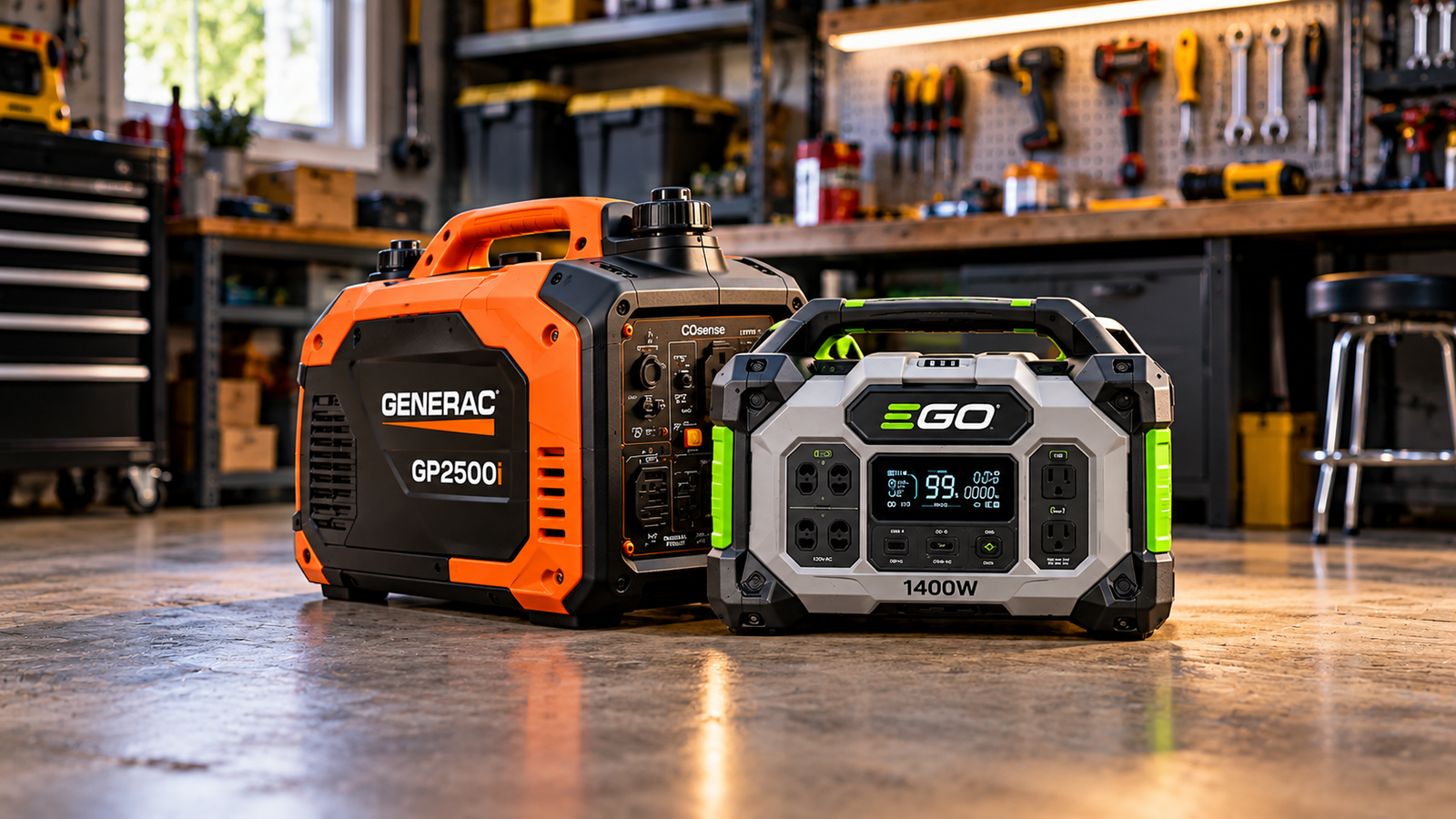
Generator Options to Compare
The following products represent different approaches to portable power. Always verify current specifications and calculate your own equipment requirements before choosing a generator or power station.

Generac GP2500i Portable Inverter Generator
A compact inverter-generator option worth considering when portability, recreational use and smaller backup loads are priorities.
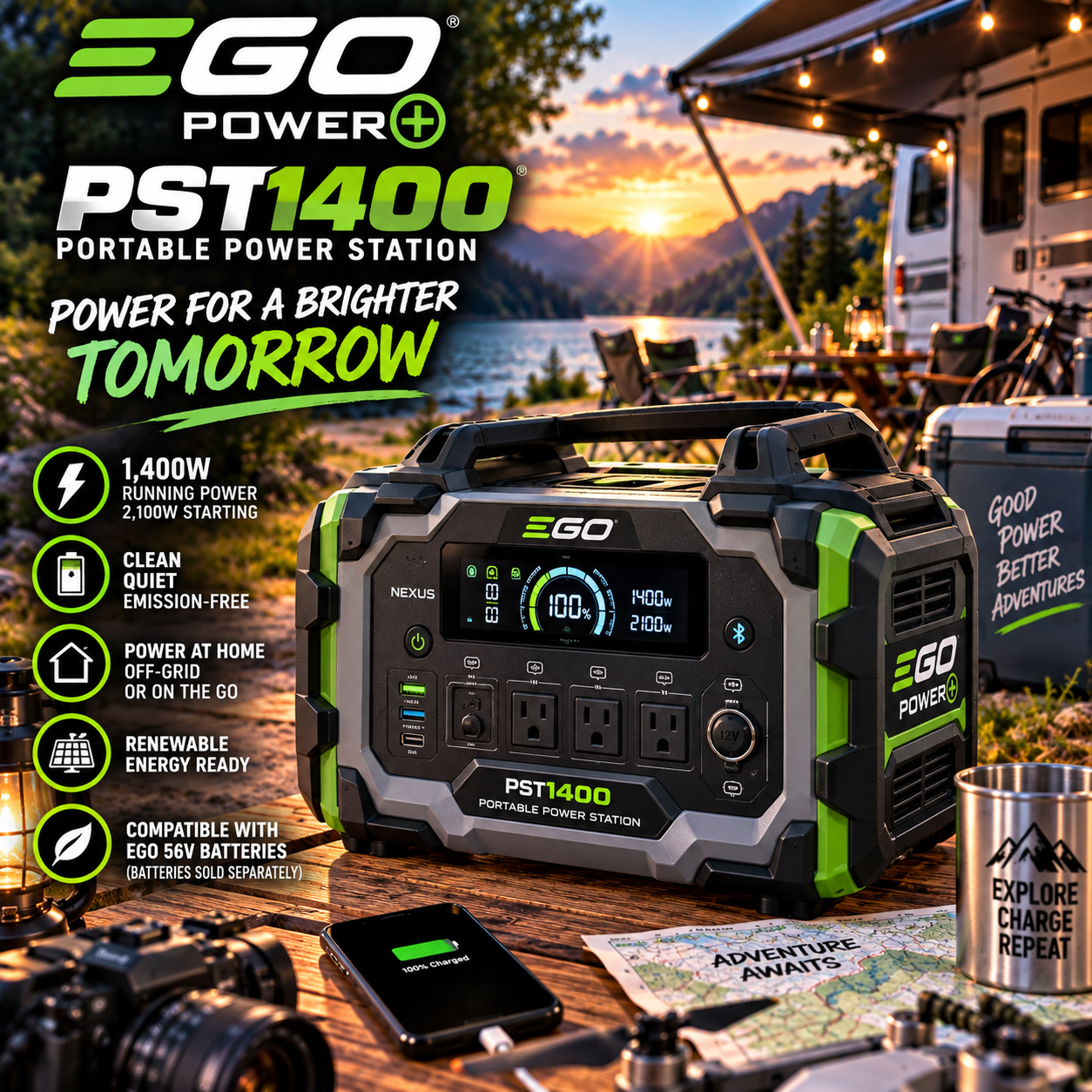
EGO PST1400 Portable Power Station
A battery-powered portable option for users comparing quieter power solutions for selected devices, outdoor applications and temporary backup needs.
Disclosure: As an Amazon Associate I earn from qualifying purchases.
How to Calculate Your Generator Size
A practical generator calculation can be completed in a few steps.
1. List Your Essential Equipment
Write down everything you realistically expect to operate during the same period. During an outage, this might include refrigeration, lighting, communication equipment and selected household devices.
2. Find the Wattage Requirements
Check manufacturer labels, manuals or official specifications for each appliance or device. Avoid assuming that similar appliances always consume the same amount of power.
3. Add the Running Loads
Add the running wattage of the equipment you intend to operate simultaneously. This provides a starting point for determining continuous power demand.
4. Account for Startup Demand
Identify equipment that may require additional power when starting. Your generator needs enough available capacity to accommodate those temporary demands while other essential equipment is already operating.
5. Leave Practical Headroom
Avoid planning a system that depends on operating at its absolute maximum output continuously. Some additional capacity provides flexibility when loads change and can make power management easier.
Small Portable Generators
Smaller portable and inverter generators can work well when the goal is powering a limited number of essential devices, recreational equipment or selected tools.
Their advantages often include easier transportation, more compact storage and simpler deployment. The tradeoff is that available capacity may require more careful load management.
Medium and Larger Generators
As power requirements increase, larger portable generators can support more equipment simultaneously. They may be appropriate for heavier tools, multiple household loads or more demanding backup applications.
Higher output does not automatically make a generator the better choice. Larger generators can also mean additional weight, fuel consumption, noise and storage requirements.
What About Portable Power Stations?
Battery-powered portable power stations provide another option for selected applications. Unlike gasoline-powered portable generators, they do not produce combustion exhaust while operating.
However, battery capacity, inverter output, recharge time and the wattage requirements of connected devices all affect how useful a particular power station will be.
For extended outages or high-demand equipment, carefully compare expected runtime and available output rather than relying only on the advertised battery capacity.
Generator Size for Home Backup
Home backup requirements can vary dramatically. A household interested only in keeping a refrigerator, several lights and communication devices operating has very different requirements from one attempting to power air conditioning, pumps, cooking equipment and numerous household circuits.
For larger home systems, electrical connections and transfer equipment may require professional installation. Never improvise a connection between a portable generator and household wiring.
Generator Size for Camping and RV Use
Camping typically requires less power than whole-home backup, but the correct size still depends on the equipment being used. Lighting and device charging require relatively little power compared with appliances that contain heating elements, compressors or motors.
RV users should calculate the requirements of the equipment they intend to operate and verify generator compatibility with their RV electrical system.
Generator Size for Tools and Jobsites
Power tools can create significant startup loads. A generator used on a jobsite should be sized around the combination of tools that may operate together rather than the rating of a single tool.
Also consider the generator’s available receptacles and the electrical requirements of the equipment being powered.
Common Generator Sizing Mistakes
- Looking only at running watts and ignoring startup demand
- Assuming every appliance will operate at the same wattage
- Planning to operate the generator continuously at maximum capacity
- Buying substantially more generator than the application requires
- Ignoring fuel availability and expected runtime
- Choosing by advertised wattage without checking manufacturer specifications
Safety Matters as Much as Generator Size
Portable fuel-burning generators produce carbon monoxide and must never be operated inside a home, garage, enclosed porch or other enclosed or partially enclosed space. Follow the generator manufacturer’s placement and operating instructions.
Generators should also be protected from unsafe exposure to moisture while maintaining the ventilation required by the manufacturer. Electrical connections, extension equipment and transfer systems must be suitable for the intended load and application.
When connecting backup power to household electrical circuits, use properly designed equipment and qualified professional installation where required.
The right generator is not necessarily the model with the largest number on the box. Calculate the equipment you actually need to operate, account for startup demand and compare generator capacity with your real-world application.
Generator Options Worth Comparing
These two options illustrate different approaches to portable electricity. Compare current specifications, output, runtime, fuel or battery requirements and intended applications before purchasing.
Generac GP2500i Portable Inverter Generator
A portable inverter generator option for users prioritizing compact size and conventional generator runtime for selected loads.
EGO PST1400 Portable Power Station
A battery-powered alternative worth comparing when quiet operation and portable electricity for selected loads are priorities.
Disclosure: As an Amazon Associate I earn from qualifying purchases.
Continue Learning About Generators
Next, compare inverter generators vs. conventional generators to understand how their power delivery, portability, noise characteristics and typical applications differ.
PickRightGear may earn commissions from qualifying purchases made through affiliate links. Recommendations are designed to help readers research and compare gear before purchasing.